



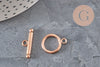
Ask about Fermoirs OT acier 304 inoxydable or rose 19-21mm, x1 (G11352)
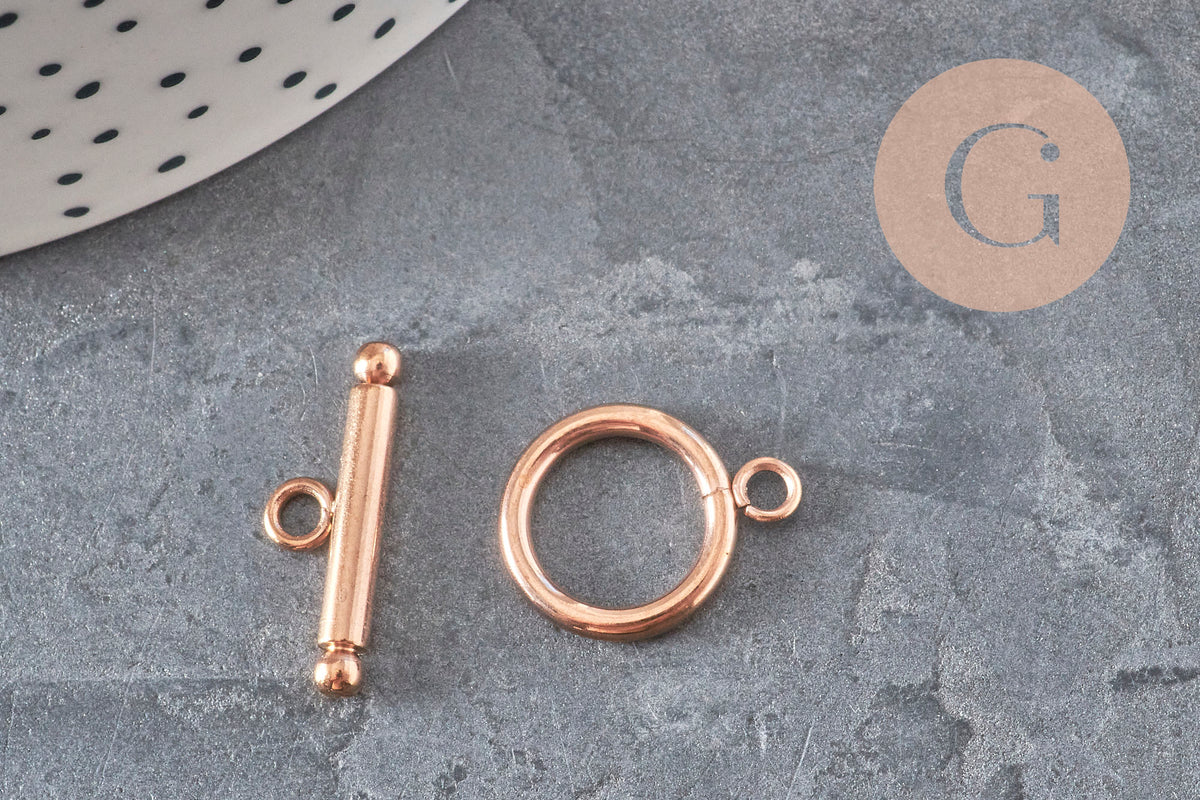
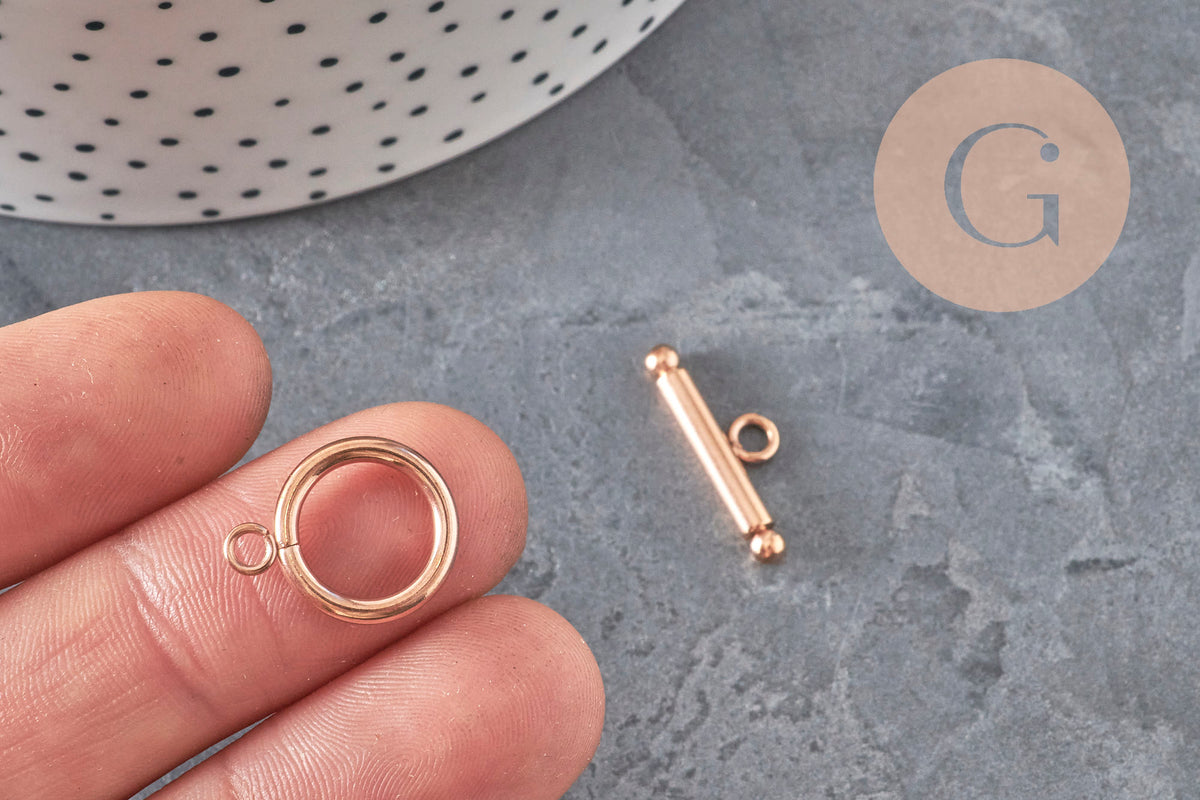
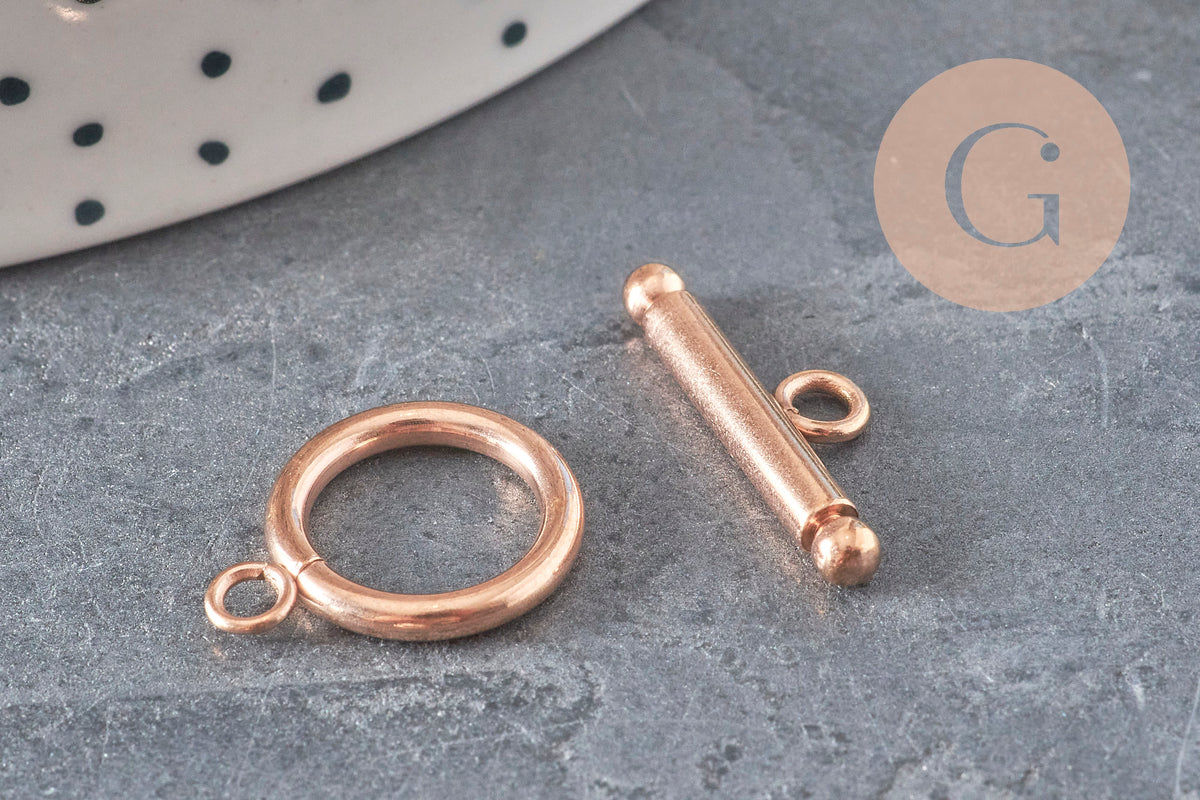
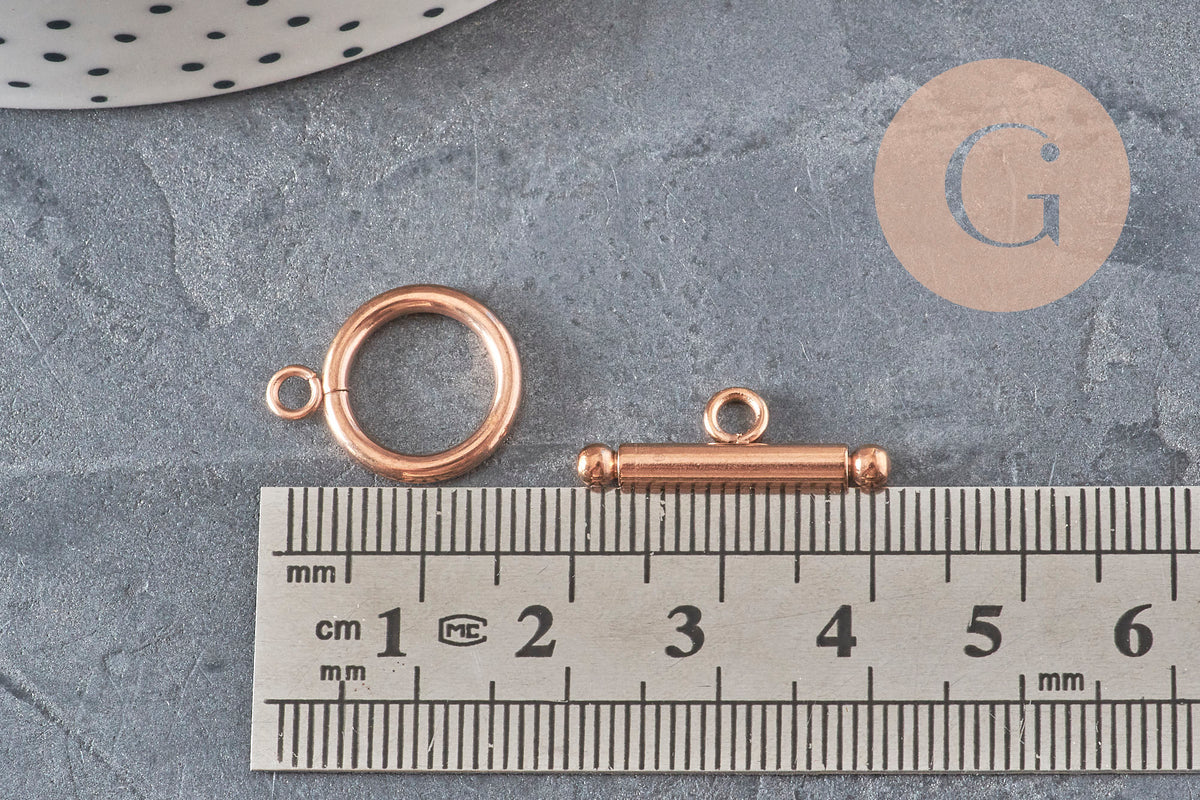
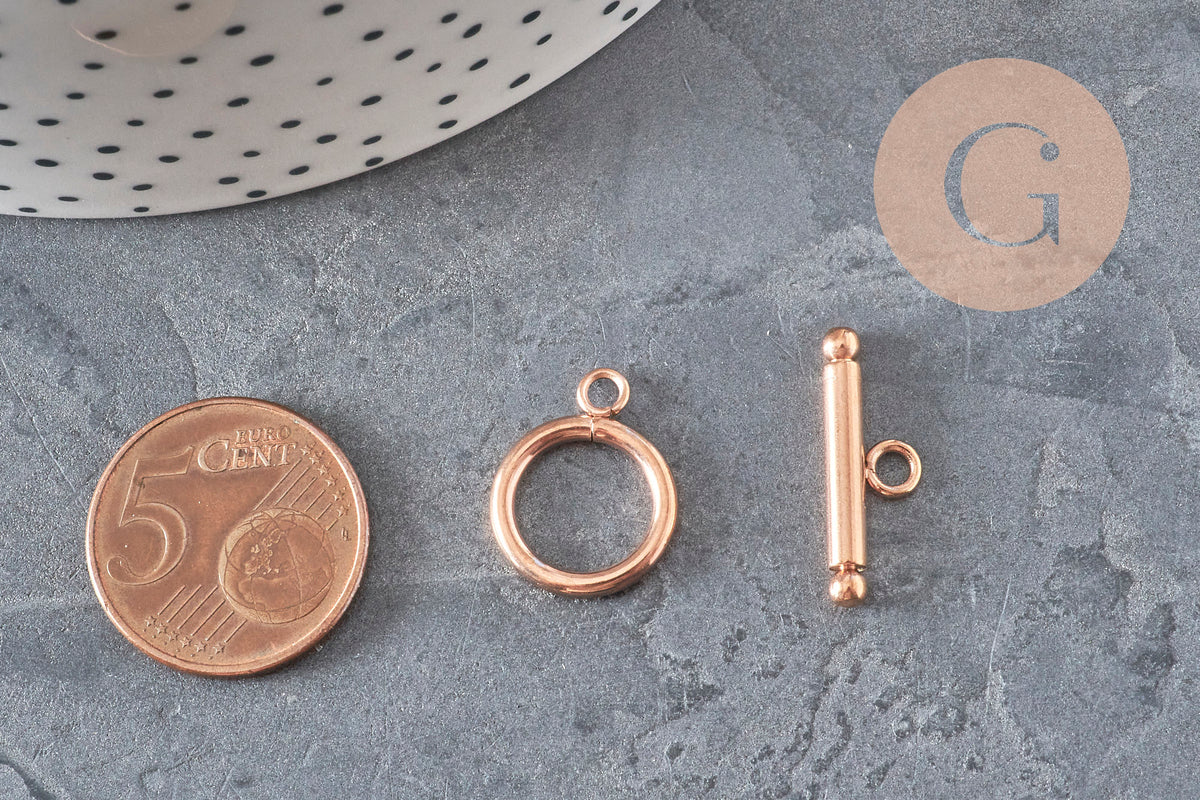
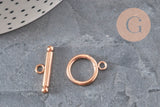
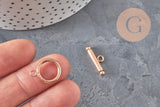
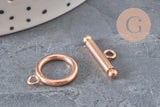
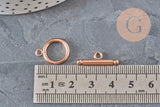
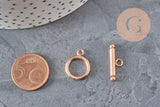
Apportez une finition élégante à vos créations avec ce fermoir OT en acier inoxydable 304 finition or rose. Composé d'un anneau et d'une barre, ce système de fermeture est aussi pratique que décoratif : il peut ainsi devenir un véritable élément du design de votre bijou.
Le fermoir toggle, également appelé fermoir en T ou fermoir OT, s'utilise en passant simplement la barre à travers l'anneau. Son format de 19 à 21 mm convient particulièrement à la réalisation de bracelets et de colliers.
Idées d'utilisation en bijouterie DIY
🩷 Bracelet en perles : utilisez le fermoir OT comme finition visible sur un bracelet composé de pierres naturelles, perles de verre ou perles d'eau douce.
🩷 Collier avec fermoir devant : placez volontairement le fermoir sur le devant du collier et ajoutez un pendentif ou une breloque pour en faire un élément décoratif.
🩷 Bijou chaîne : associez-le à une chaîne à grosses mailles finition or rose pour créer un bracelet ou un collier au style contemporain.
Pourquoi choisir un fermoir OT ?
Contrairement à un fermoir classique que l'on cherche souvent à dissimuler, le fermoir OT peut être mis en valeur dans la création. Il permet ainsi de fermer le bijou tout en participant à son esthétique.
Son fonctionnement est simple : la barre se glisse à l'intérieur de l'anneau puis vient se positionner transversalement pour maintenir le bijou fermé.
✅ Caractéristiques
• Type : fermoir OT/ toggle / fermoir en T
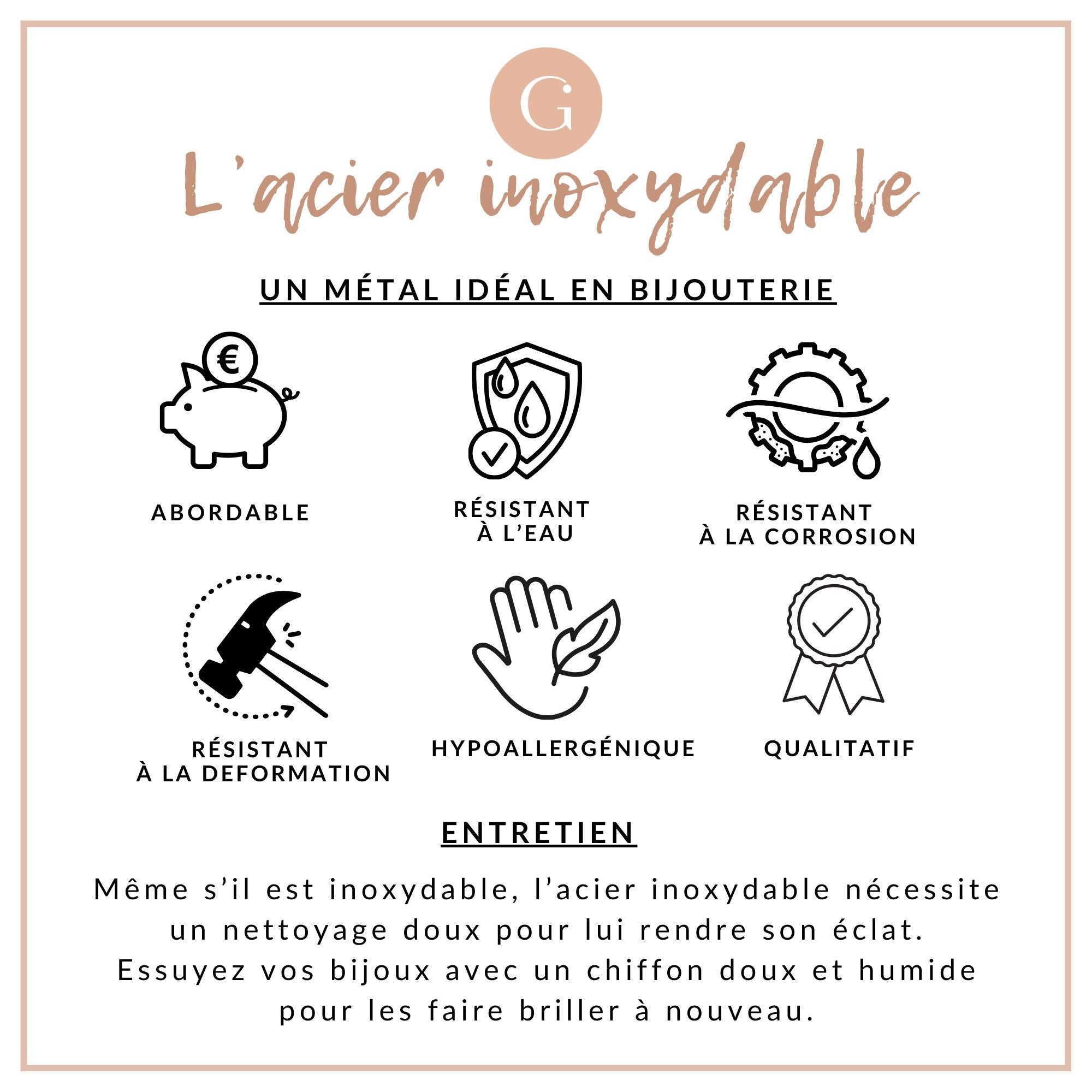
• Matière : acier inoxydable 304
• Couleur : or rose
• Dimensions : environ 19 à 21 mm
• Largeur selon élément : environ 8 à 14 mm
• Composé de : 1 anneau + 1 barre
• Conditionnement : 1 fermoir complet
Découvrez également nos fermoirs, anneaux, chaînes et apprêts en acier inoxydable pour réaliser toutes les finitions de vos bijoux DIY.
Suggestion de présentation, photos non contractuelles.
Fermoir OT ou toggle en acier inoxydable 304 finition or rose, 19 à 21 mm. Fermoir décoratif composé d'un anneau et d'une barre pour bracelets et colliers DIY.
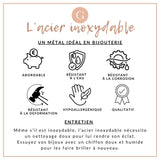
To preserve the beauty of your DIY jewelry, a few simple steps are enough:
- Avoid repeated contact with water, cosmetics, and chemicals to preserve finishes and gilding.
- We also recommend removing your jewelry before sports, swimming, or sleeping.
- Store your creations in a pouch or jewelry box away from humidity.
- Regular maintenance will permanently extend the shine of your creative supplies.
Consult our dedicated guide provided with your order to discover all our care tips.
FAQ – Stainless Steel in DIY Jewelry
What is the difference between 201, 304, and 316 stainless steel?
Different shades of stainless steel have slightly different compositions.
- 201 steel is an economical alternative often used in fashion jewelry.
- 304 steel offers very good corrosion resistance and excellent durability.
- 316 steel is particularly valued for its enhanced resistance to humidity and marine environments.
These three types of steel are commonly used in DIY jewelry making.
Does stainless steel contain nickel?
Some grades of stainless steel contain nickel in their composition, notably 304 or 316 steels.
However, when a product is indicated as compliant with REACH standards or "nickel-release-free", it means that nickel is not released in quantities considered problematic according to European regulations.
Stainless steel is thus widely used for jewelry intended for sensitive skin.
Does stainless steel jewelry rust?
Stainless steel is prized for its good resistance to everyday oxidation and moisture. Unlike some metals, it does not rust easily when used under normal conditions.
However, like all materials, it can be damaged by certain chemicals, chlorine, salt, or repeated exposure to extreme conditions.
Why can gold-plated steel jewelry lose its color?
It is important to distinguish between stainless steel and the gold plating applied to its surface.
Stainless steel is highly resistant to oxidation, but gold plating can naturally fade over time depending on:
- the type of plating used,
- the thickness of the gold plating,
- contact with water, perfume, or cosmetics,
- repeated rubbing.
Therefore, a loss of gold plating does not mean that the steel is "rusting."
What's the difference between classic gilding, PVD, and IP?
Not all gold-plated stainless steel jewelry has the same finish.
Classic gold plating, often achieved chemically, can be more susceptible to wear.
PVD or IP treatments use a vacuum vaporization technology that allows for better color adhesion to stainless steel. These finishes are generally more durable for daily use.
Can you shower with stainless steel jewelry?
Stainless steel generally tolerates everyday water well.
However, to preserve the brilliance of jewelry and gilding for as long as possible, it is advisable to avoid:
- repeated bathing,
- chlorine,
- saltwater,
- perfumes and cosmetics.
A few simple precautions can extend the lifespan of your creations.
ADDITIONAL SUPPLIES
Discover complementary supplies to create a harmonious piece of jewelry down to the smallest detail.
Explore similar universes


The essentials to complete your jewelry piece
Beads, pendants, and findings recently viewed: find your inspiration in an instant.