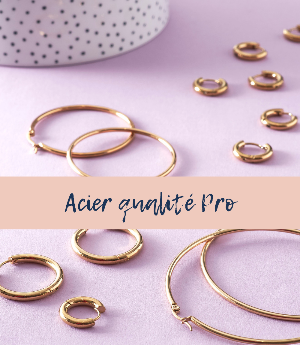



Mistakes That Break Handmade Jewelry: A Complete Guide to Making Stronger DIY Jewelry
You’ve finished a natural stone bracelet, carefully assembled a personalized necklace, or made a pretty pair of earrings. However, after a few days or weeks of use, a bead falls off, a ring opens, or the chain breaks without warning.
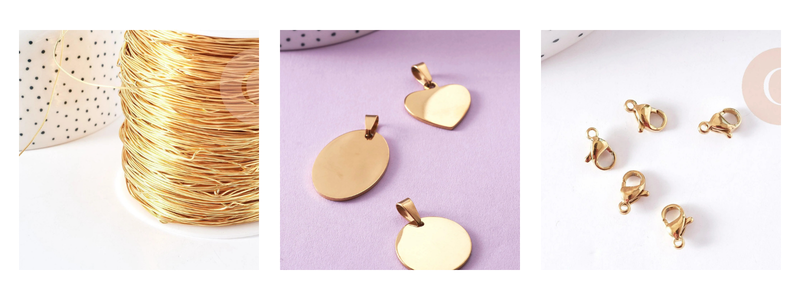
What is the difference between "classic" gold-plated steel and ionized gold-plated steel?
When choosing your gold-plated steel findings or chains, it's helpful to know the gilding technique used, as it influences the jewelry's durability, wear resistance, and luster. 💛 Classic Gold-Plated Steel Classic gold-plated steel is generally obtained by electrolysis or galvanization in a liquid bath. This method deposits a thin layer of gold or gold color onto the surface of the stainless steel.It's a quick and economical technique, but the gold layer is thinner and less resistant to wear, friction, or chemicals. 💛 Ion-Plated (IP) Gold...
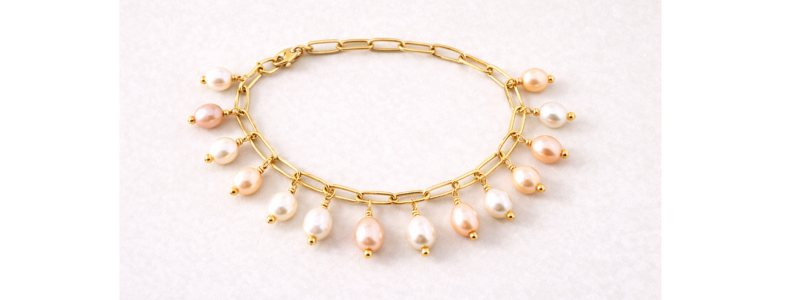
Tutorial: create a charm bracelet with a freshwater pearl
Easily create a chic and trendy bracelet by adding delicate freshwater pearl charms to a gold-plated stainless steel paperclip chain.

Understanding the REACH standard: a guarantee of safety for your DIY jewelry
If you make your own jewelry, you've probably already come across the " REACH compliant " label or its logo in the description of our findings, beads, or chains. But what does this label really mean? Is it mandatory? And how does it affect you, as a DIY jewelry designer? At Gingerlily Perles, we strive to offer you supplies that are both fashionable and safe. In this article, we explain everything about the REACH standard and its direct impact on your creations. 🟩 What is...