Skip to content

Free delivery to a relay point for orders over €59 (metropolitan France)

English
  • Español
  • English

Que recherchez-vous?

Tutorial: how to make a loop with a headpin in DIY jewelry

Discover our tutorial on how to form a loop with a headpin and learn how to easily create charms, dangles, and connectors for your DIY jewelry. An essential technique for assembling beads, pendants, and findings with clean and professional finishes.

26 items
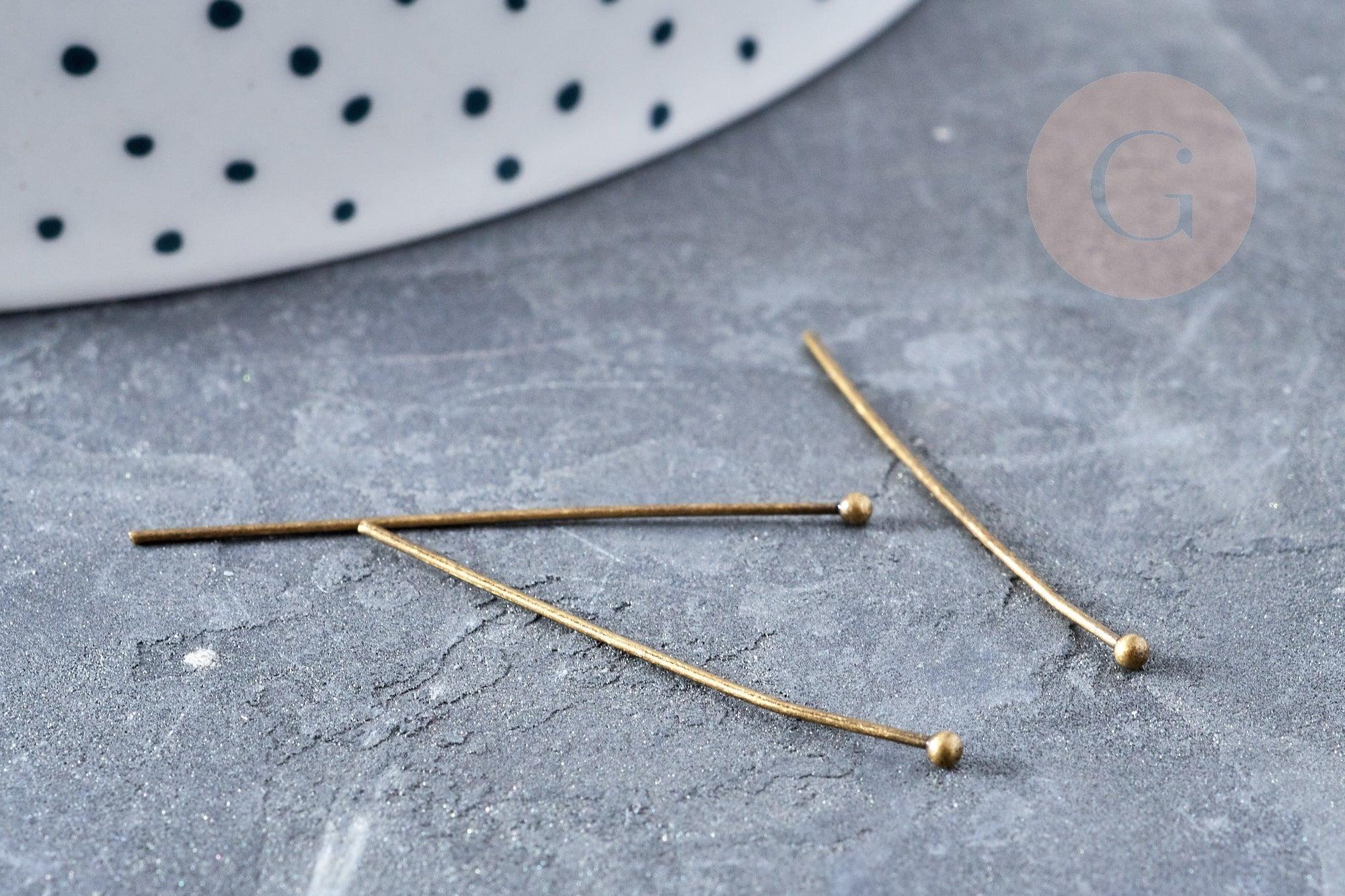
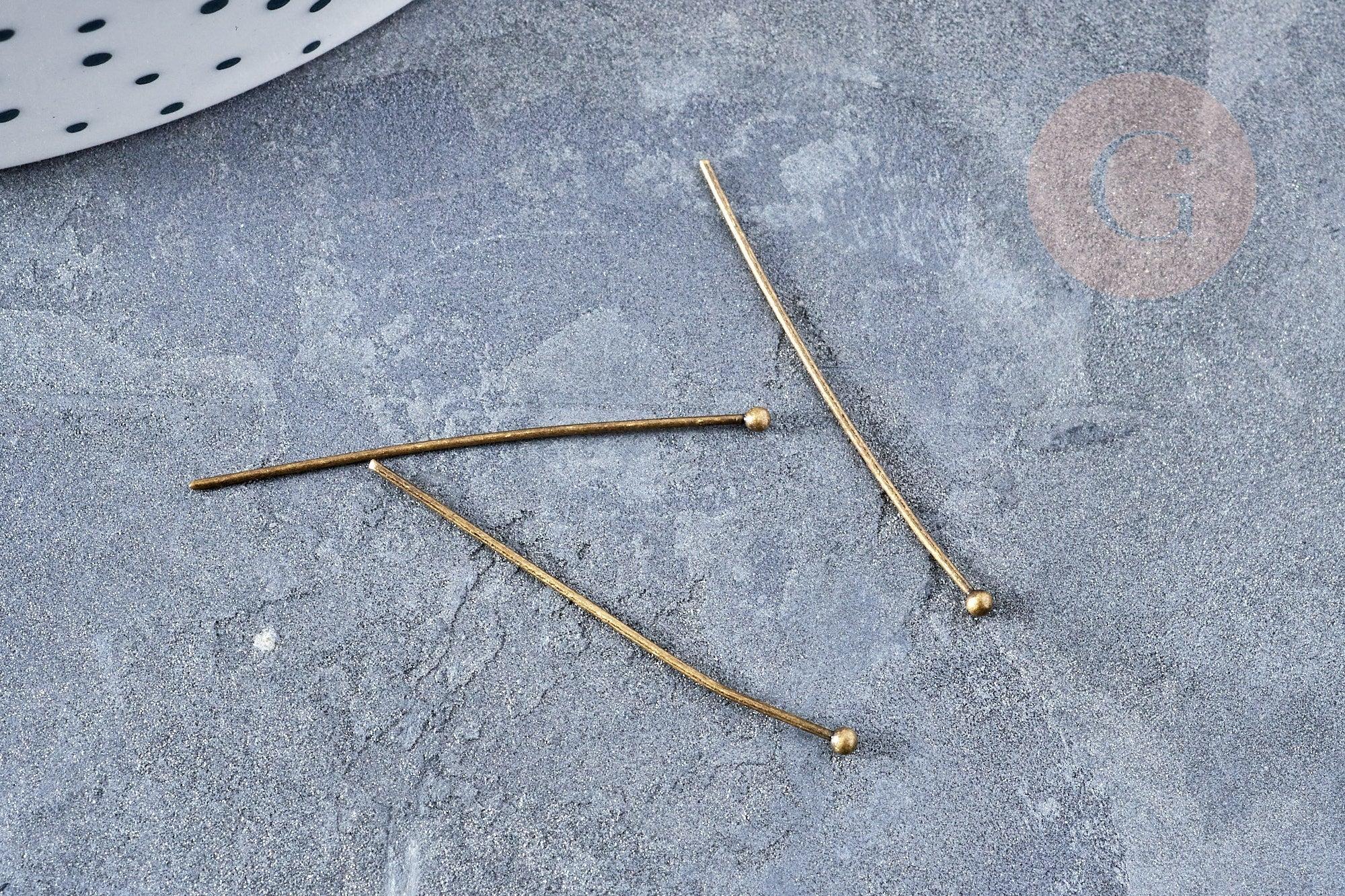
Clou tige tête boule laiton bronze 31mm, x10 (G8842) Clou tige tête boule laiton bronze 31mm, x10 (G8842)
Regular price2,49€
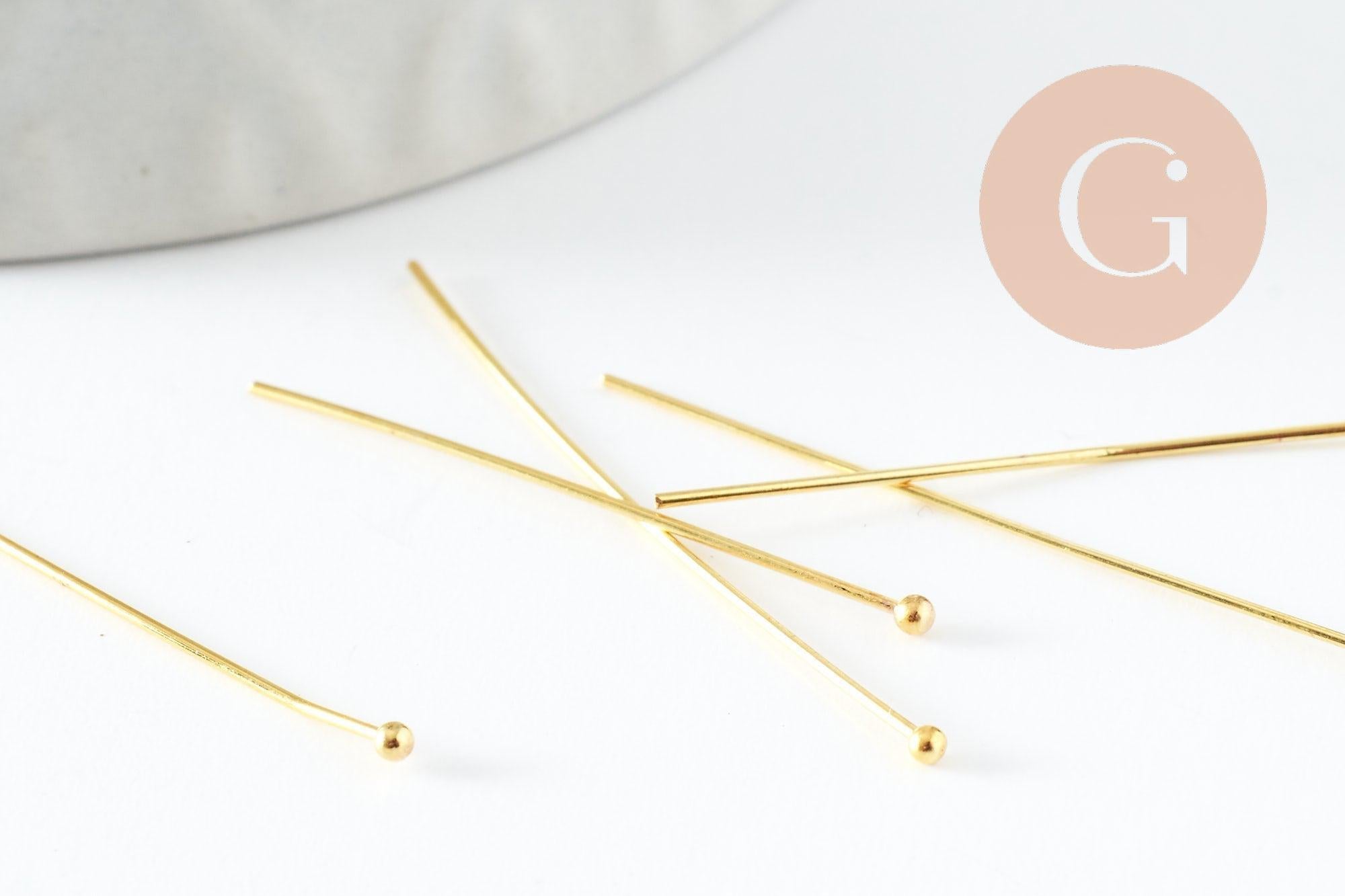
Clou tige tête boule laiton doré 35mm, x20 (G9846) Clou tige tête boule laiton doré 35mm, x20 (G9846)
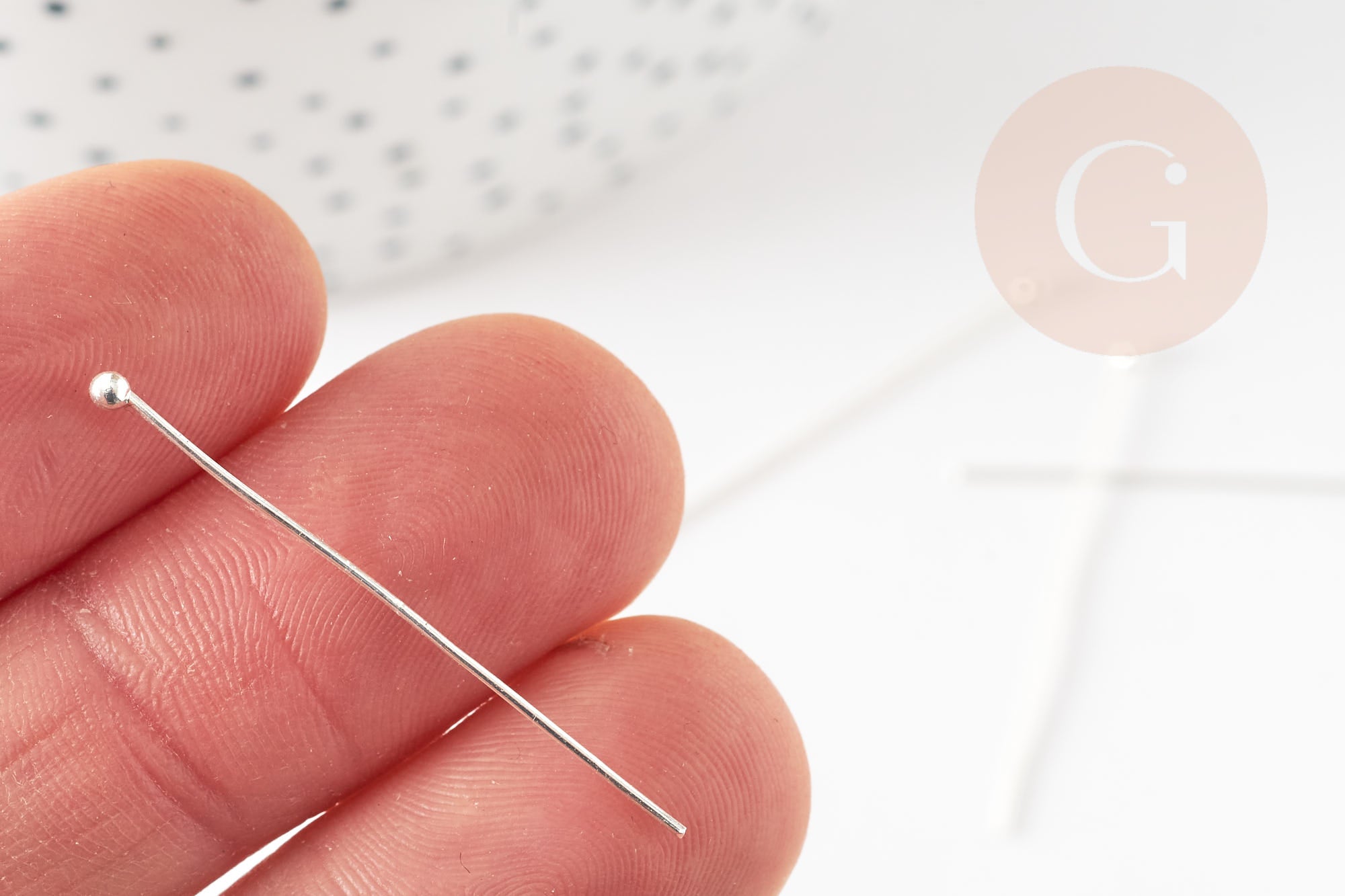
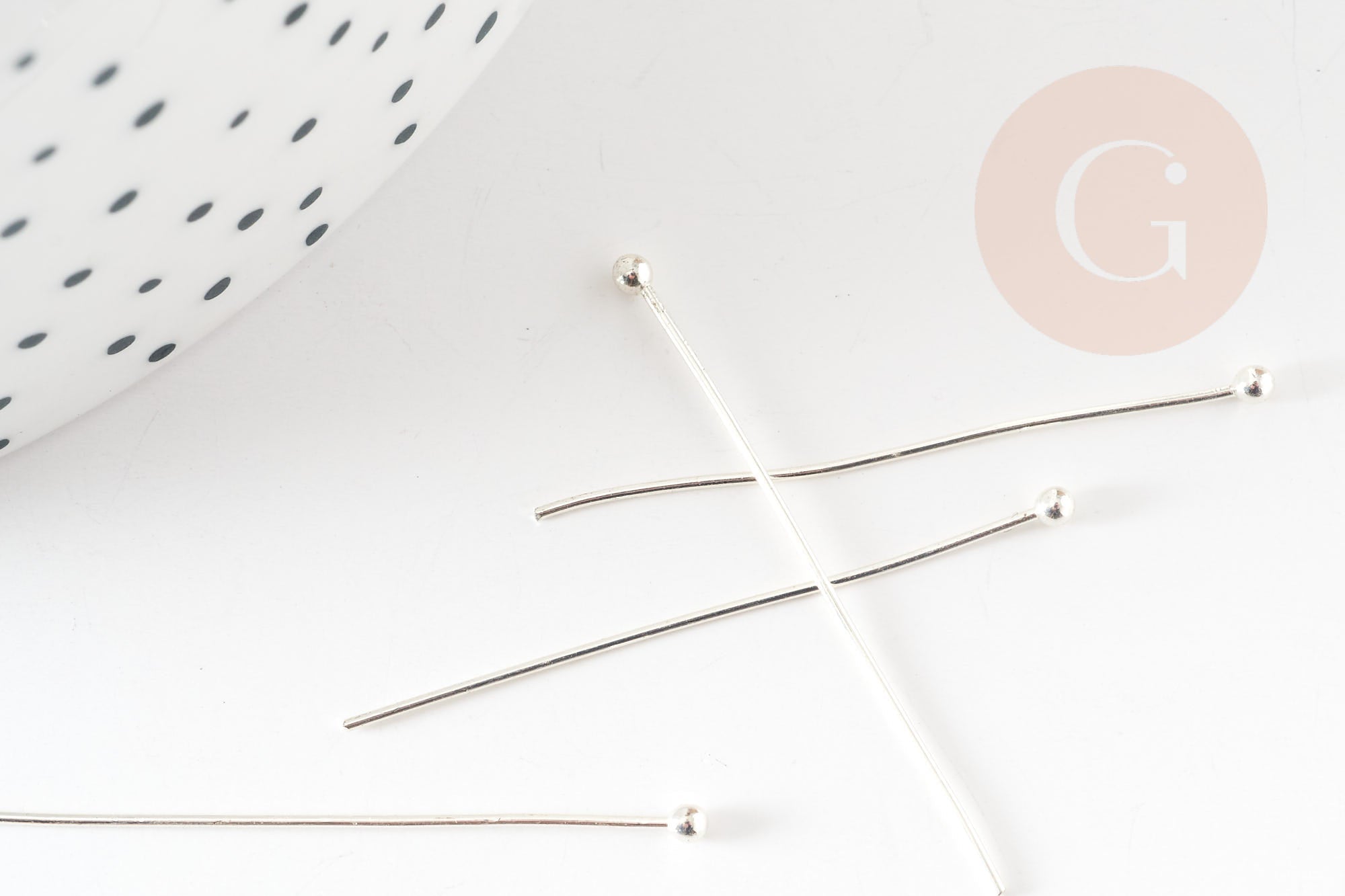
Clou tige tête boule laiton argenté 35mm x10 (G9249) Clou tige tête boule laiton argenté 35mm x10 (G9249)
Sold out
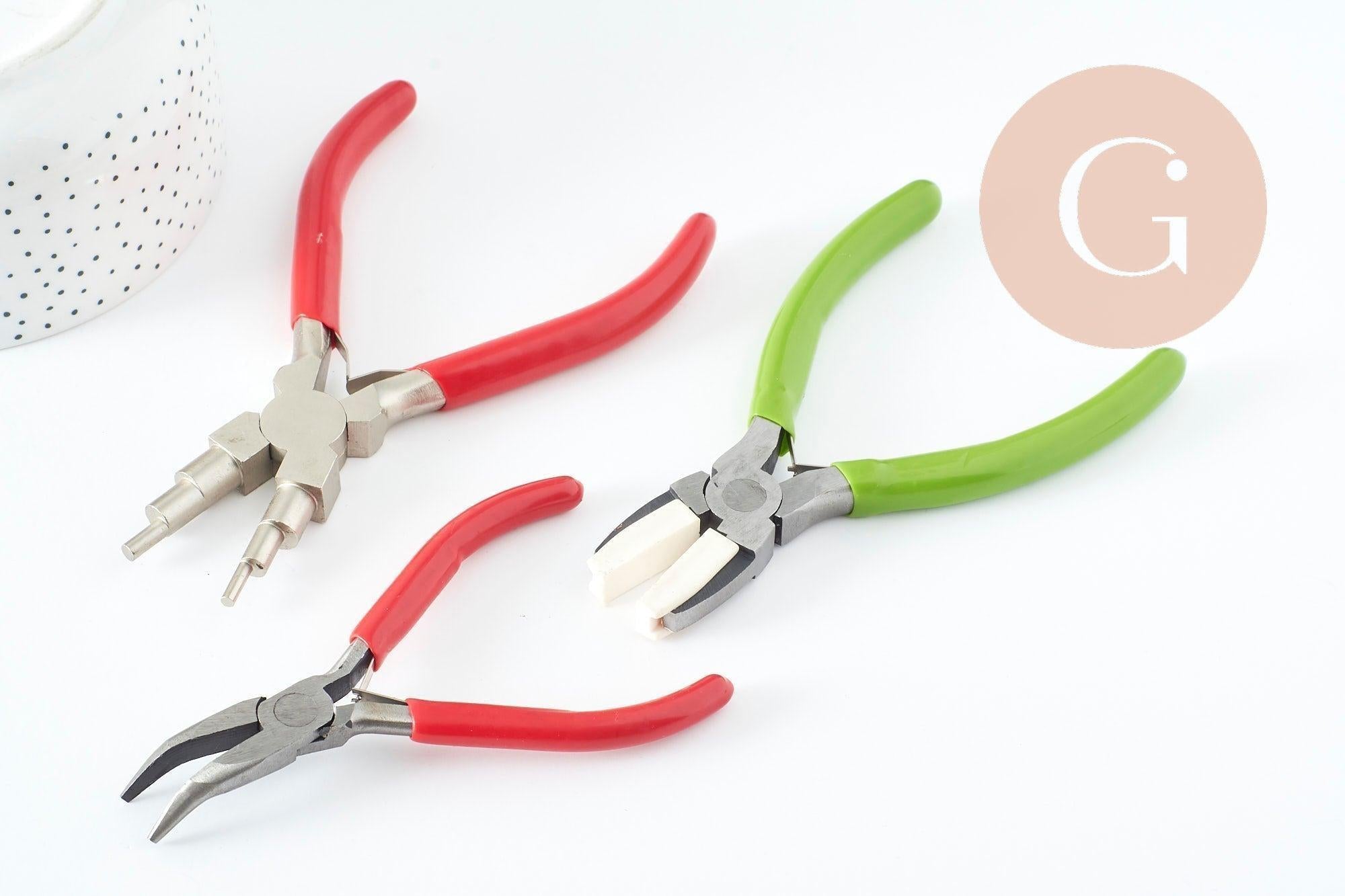
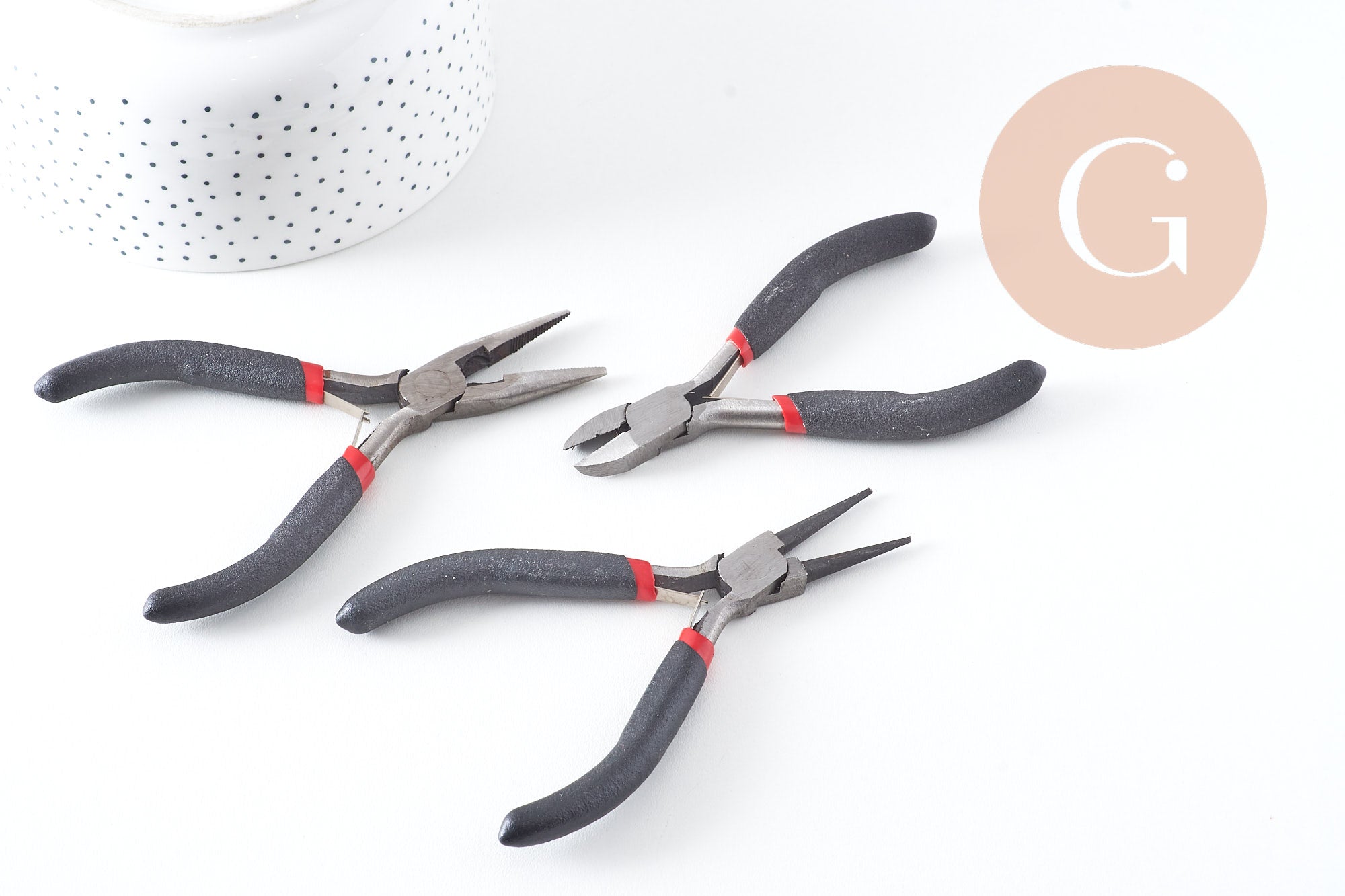
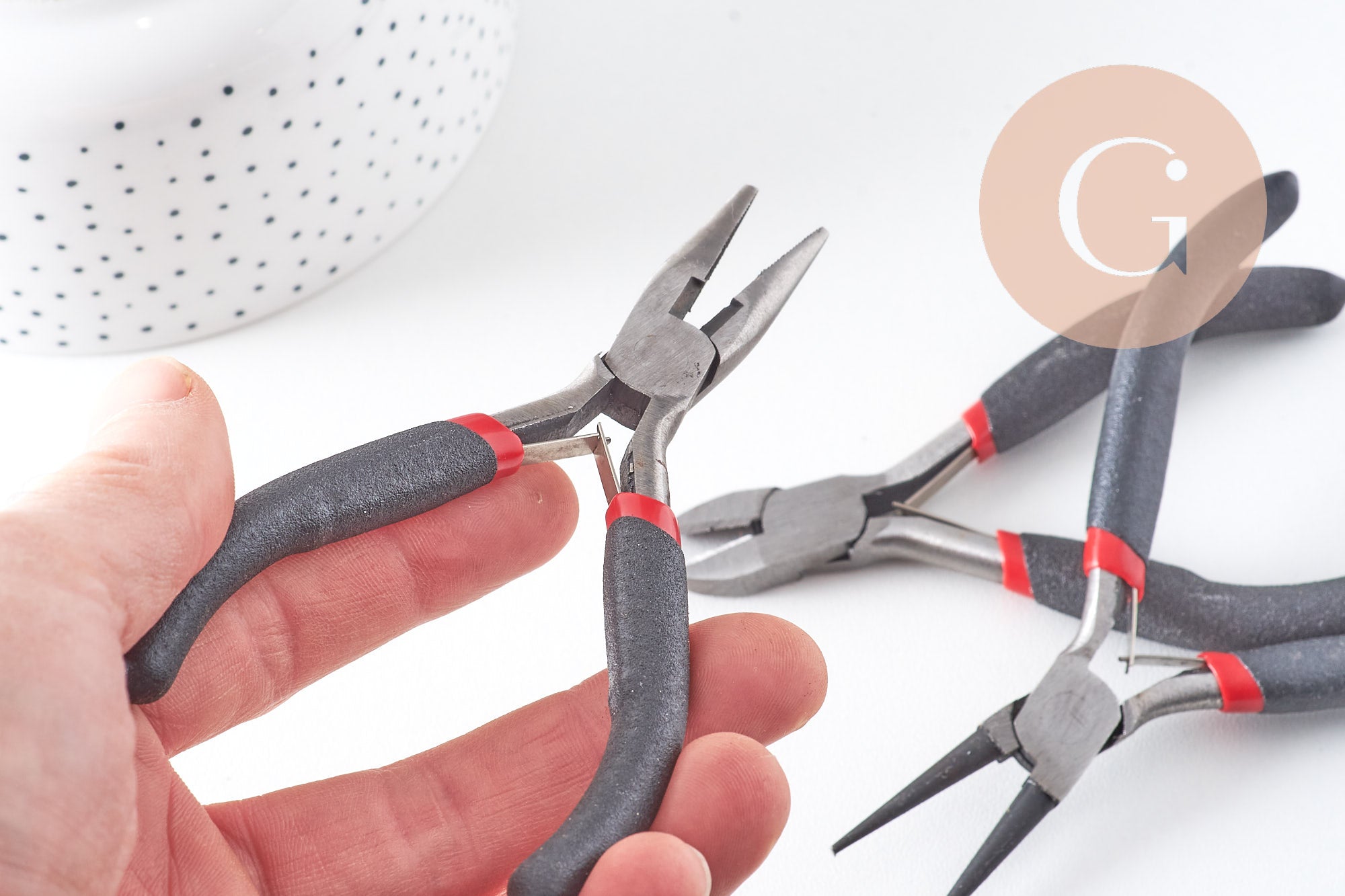
Pinces fabrication de bijoux boucles, bec incurvé, plate, x3 (G10018) Pinces fabrication de bijoux boucles, bec incurvé, plate, x3 (G10018)
Sold out
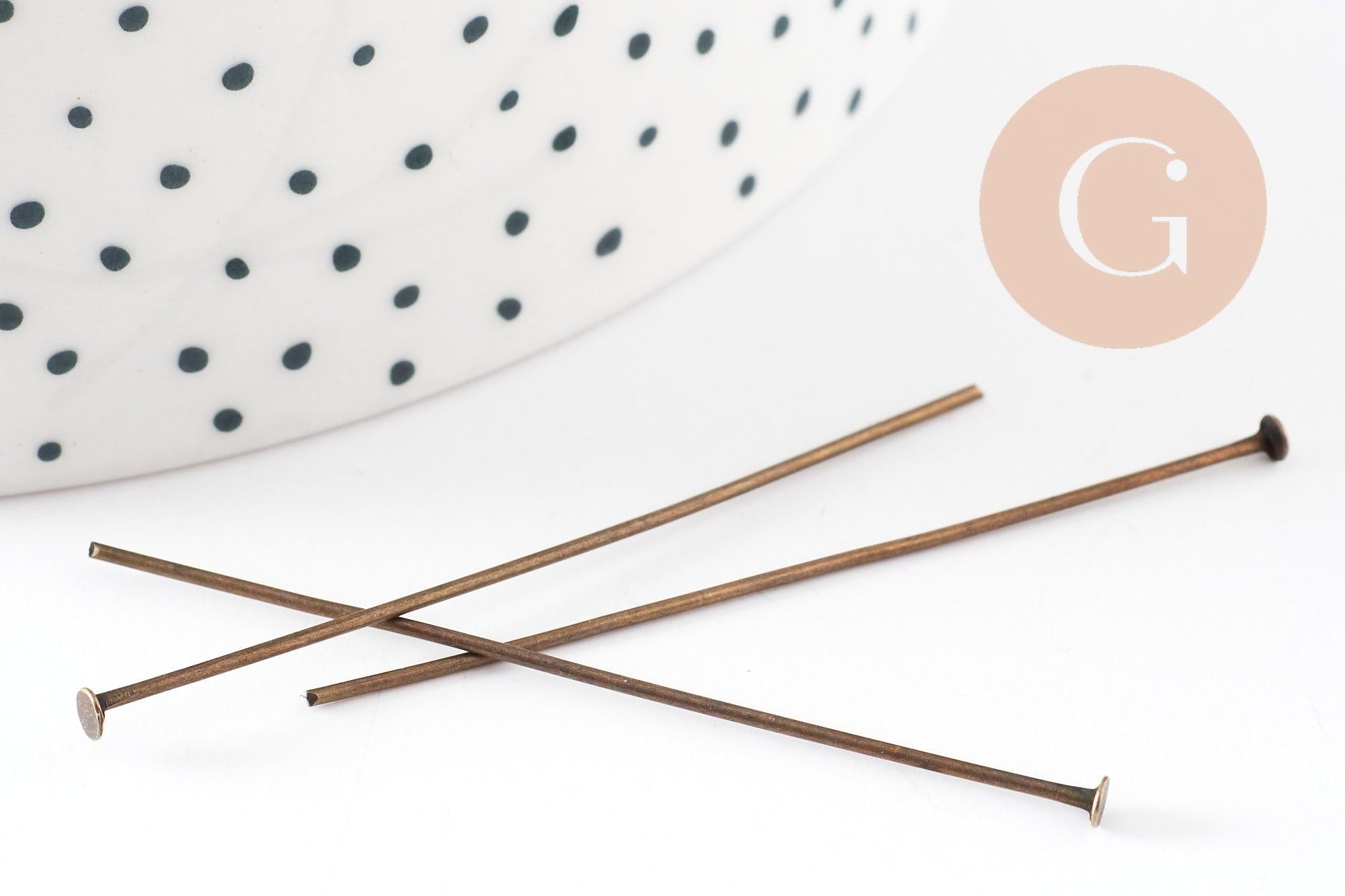
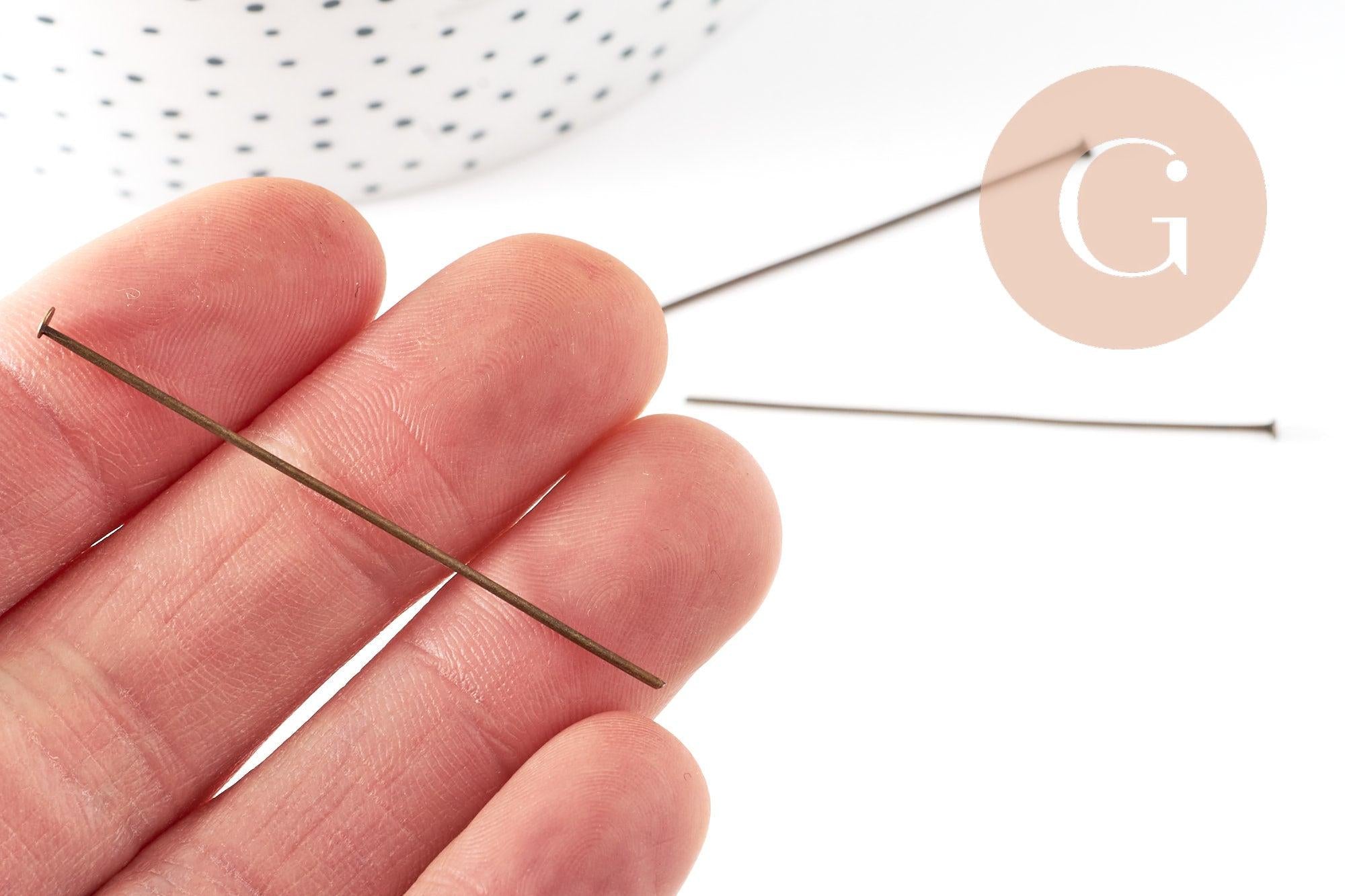
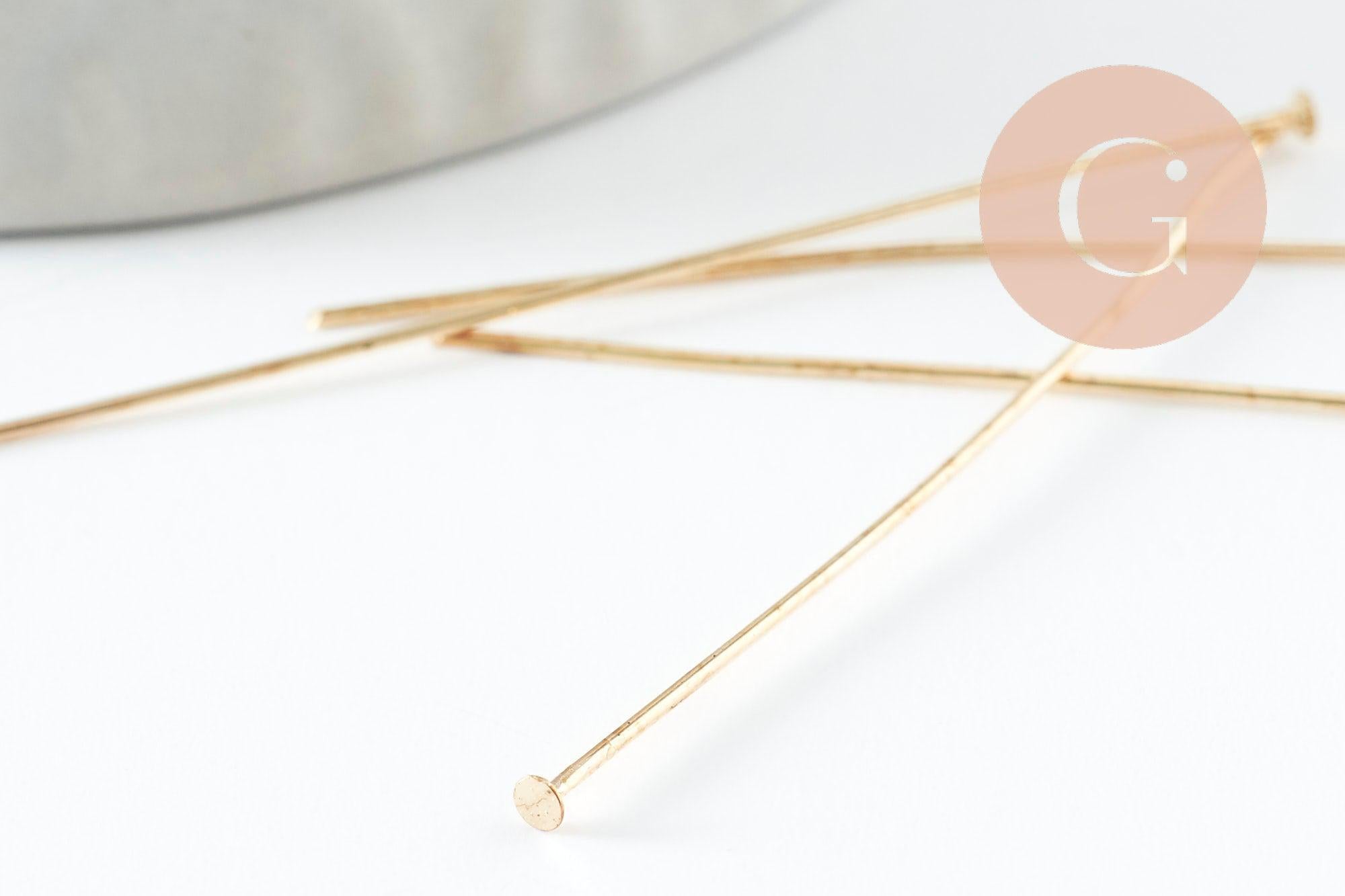
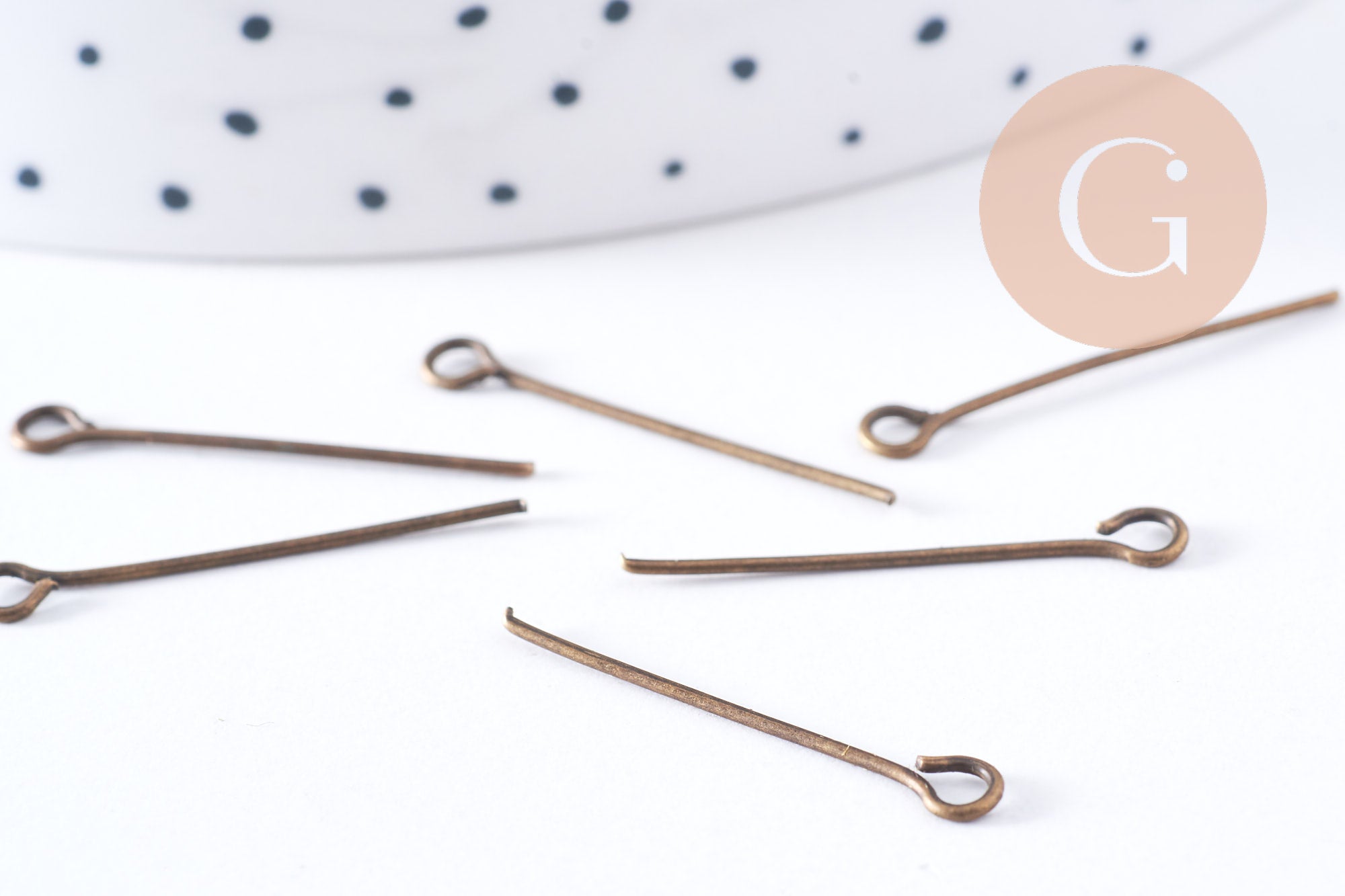
Clou tige tête plate fer bronze 50mm, x50 (10Gr) (G9328) Clou tige tête plate fer bronze 50mm, x50 (10Gr) (G9328)
Basic
x 3 Pinces pour bijoux en acier carbone 130mm (marques oxydation) (G10937) x 3 Pinces pour bijoux en acier carbone 130mm (marques oxydation) (G10937)
Sale
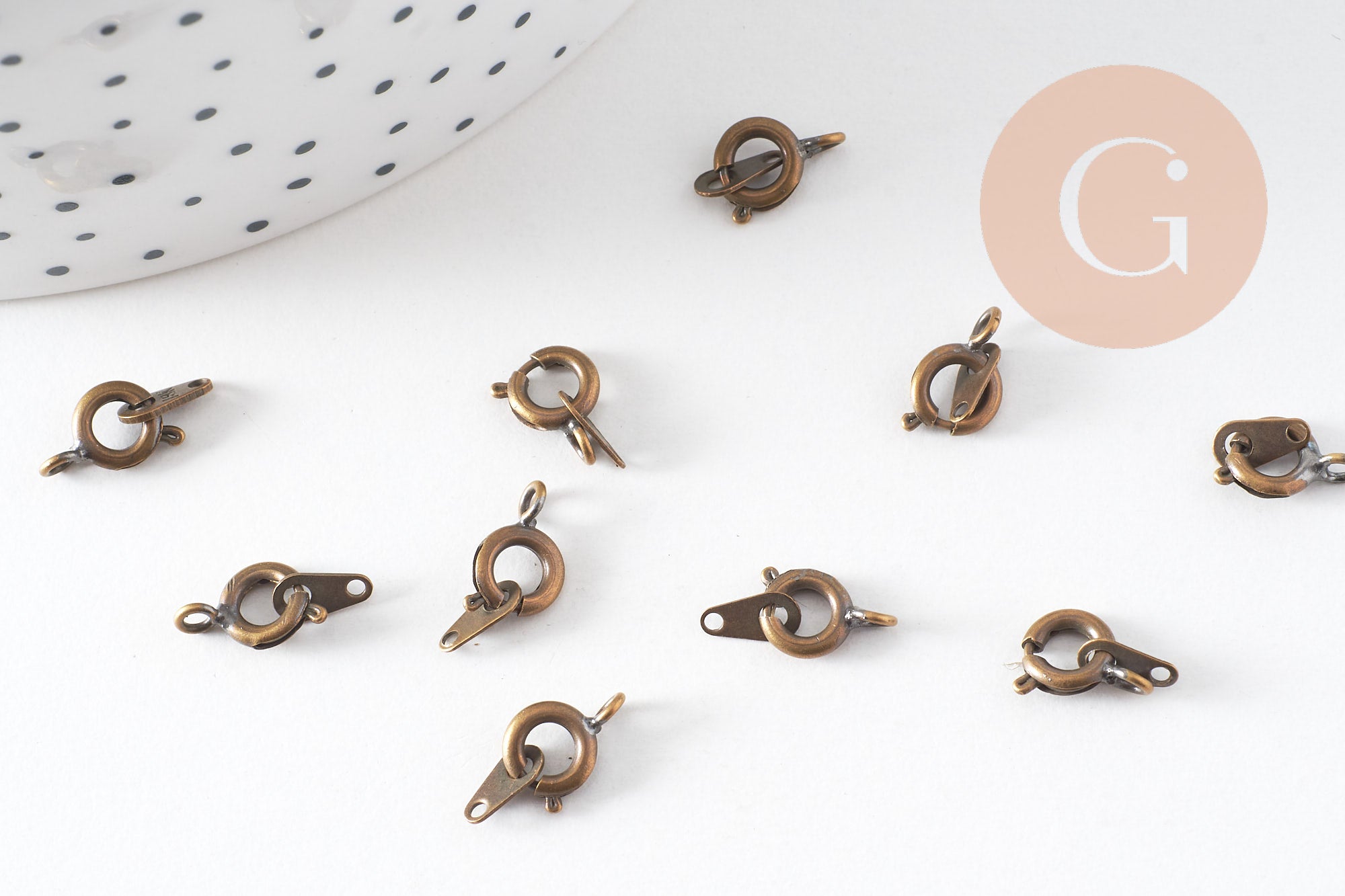
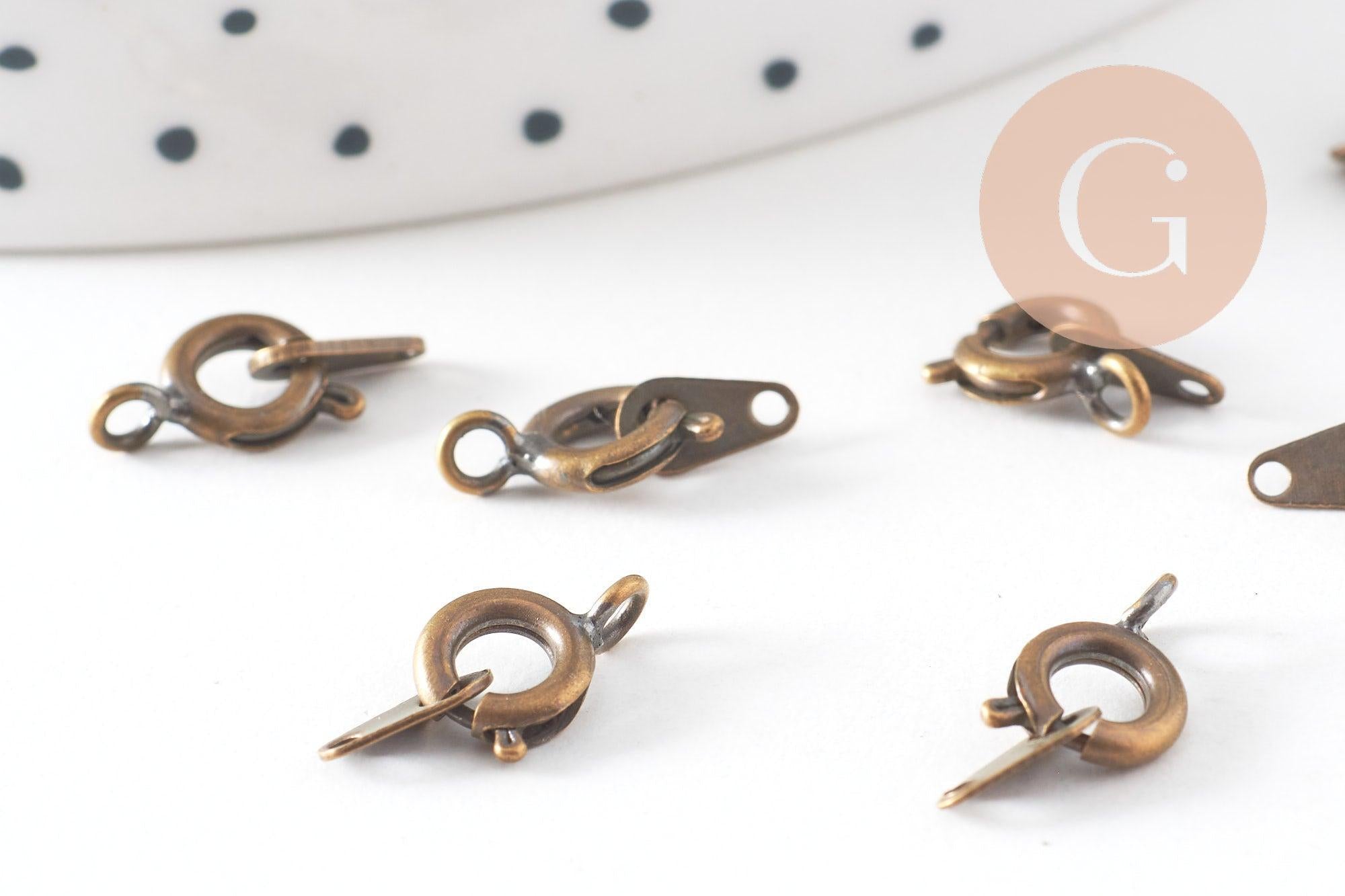
Fermoirs Marins laiton bronze 8mm, x10 (G10573) Fermoirs Marins laiton bronze 8mm, x10 (G10573)
Basic
Regular price2,49€
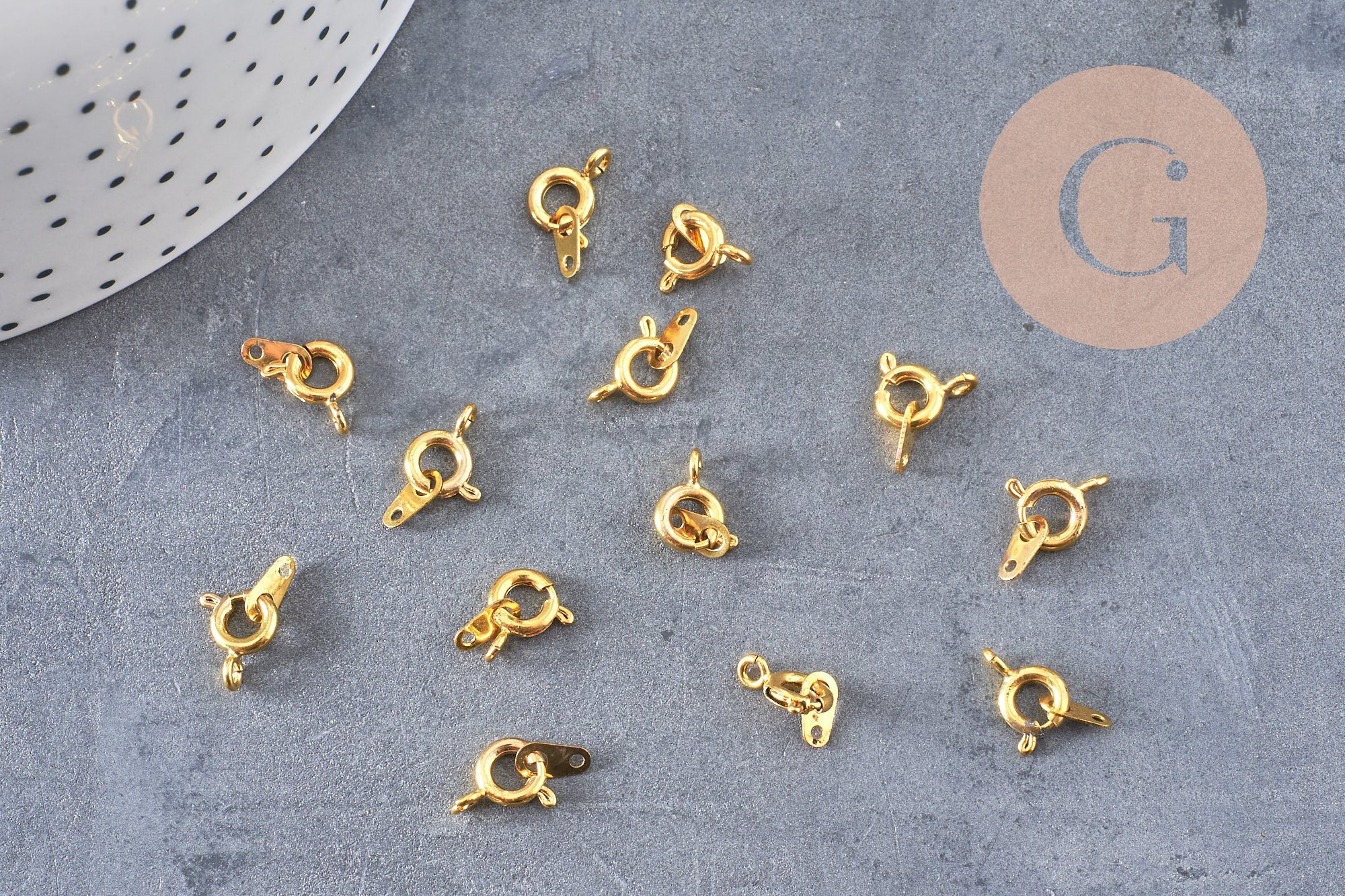
Fermoirs Marins laiton doré 8mm, x10 (G10574) Fermoirs Marins laiton doré 8mm, x10 (G10574)
Basic
Sold out
Regular price2,49€
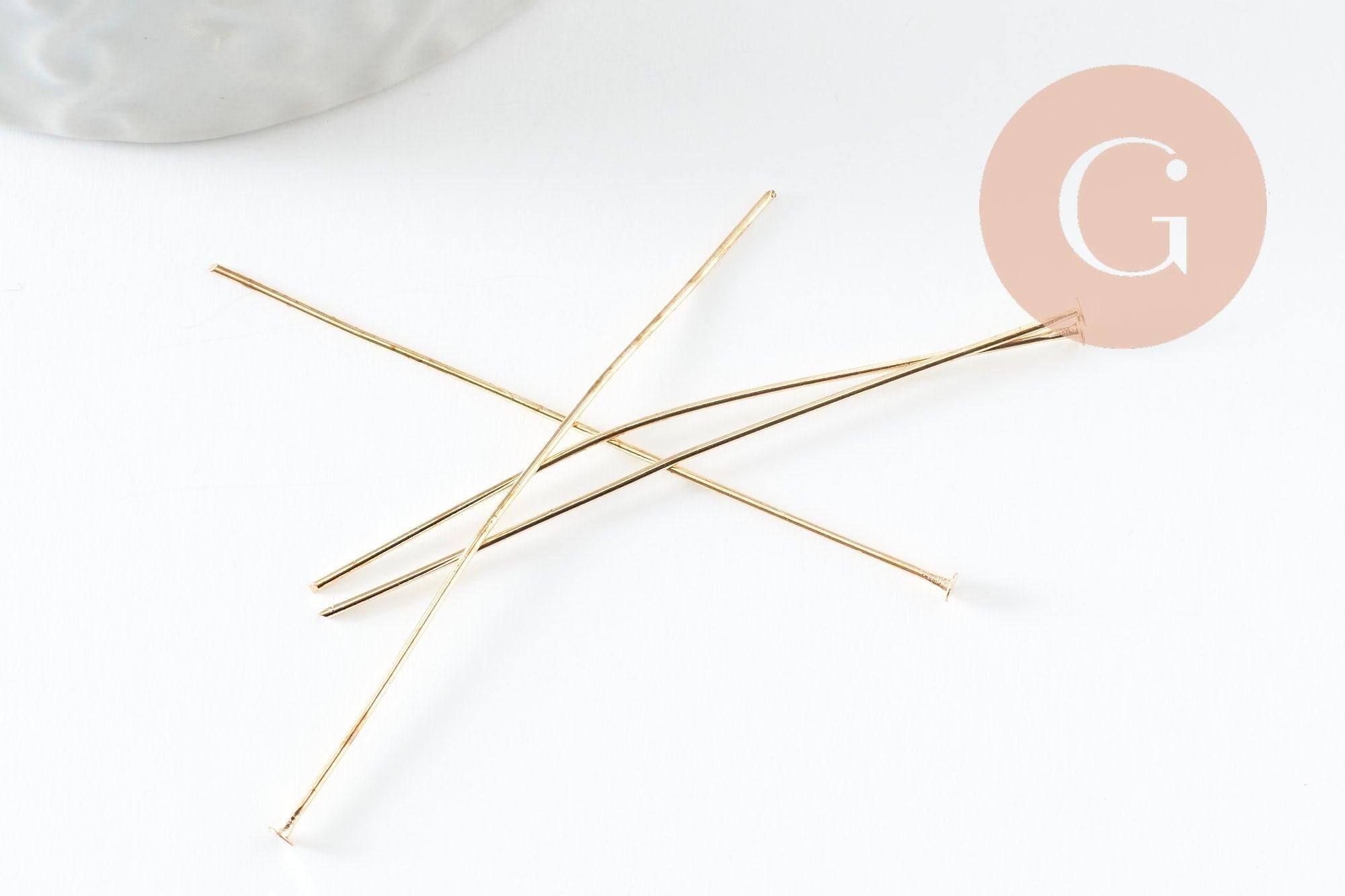
Tiges tête clou fer doré 50mm AVEC DEFAUT, x10gr (G9470) Tiges tête clou fer doré 50mm AVEC DEFAUT, x10gr (G9470)
Sale Basic
Regular price0,83€2,16€
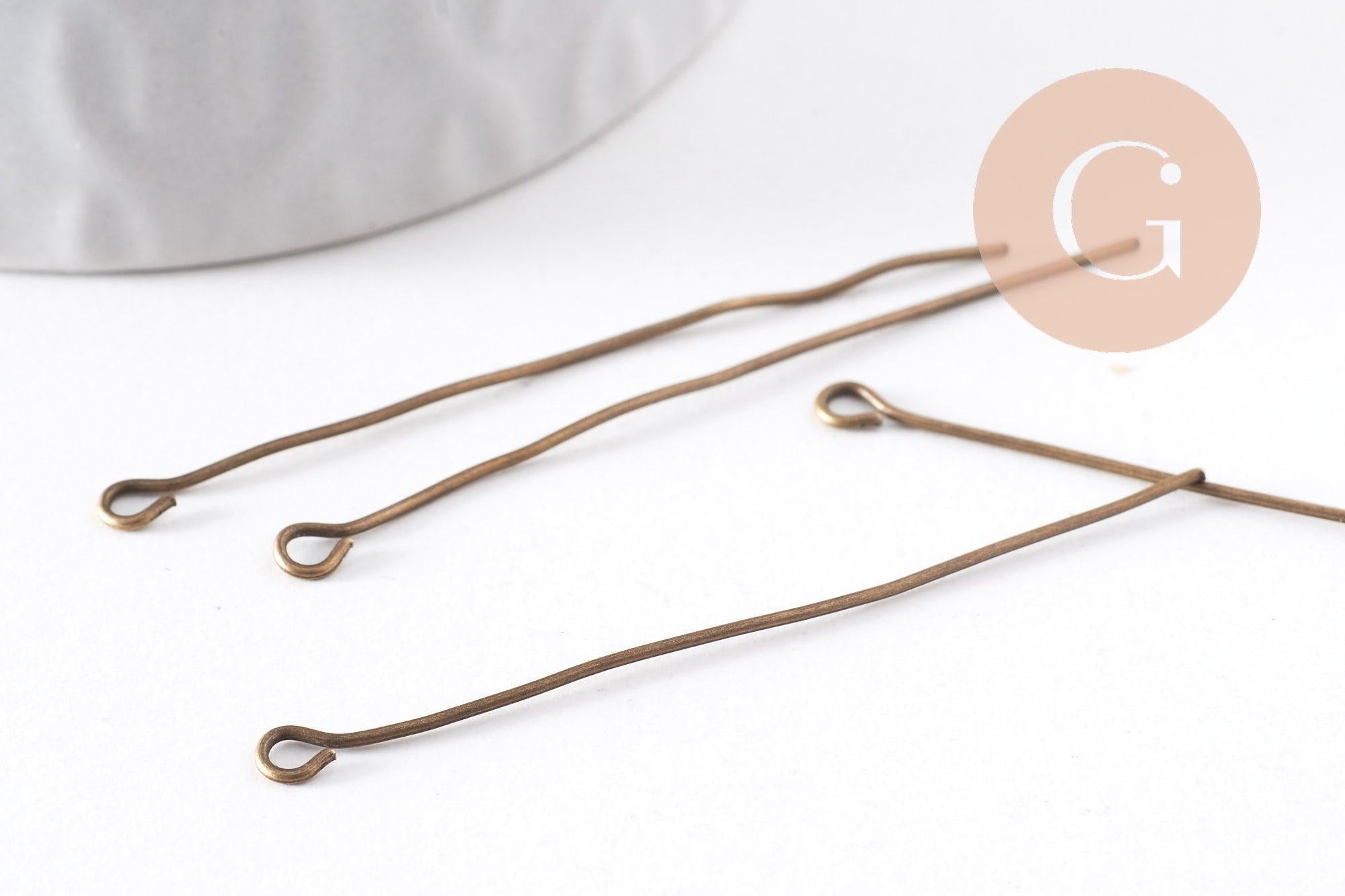
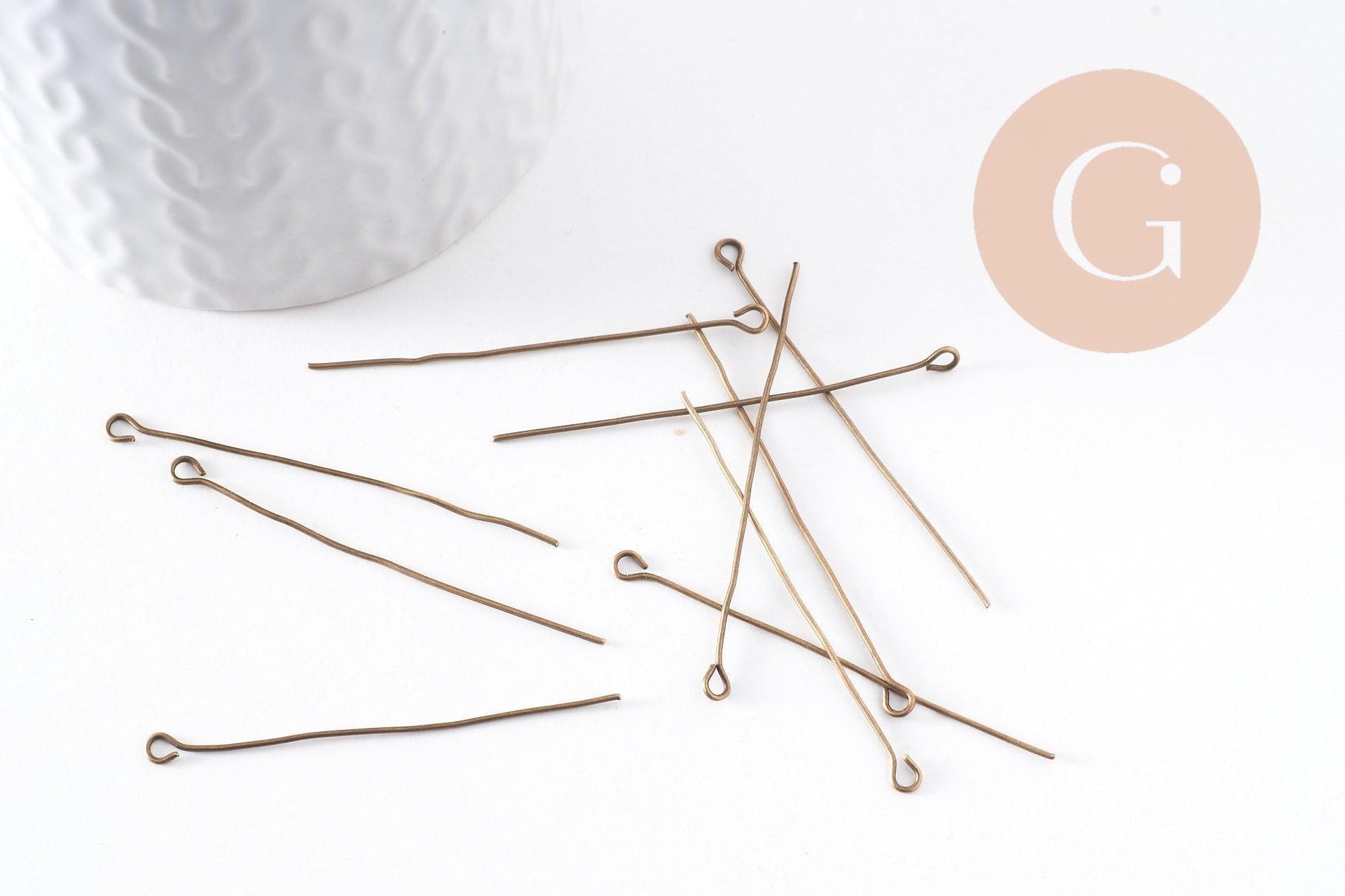
Clou tige tête boucle fer bronze 50mm, x10Gr (G10138) Clou tige tête boucle fer bronze 50mm, x10Gr (G10138)
Basic
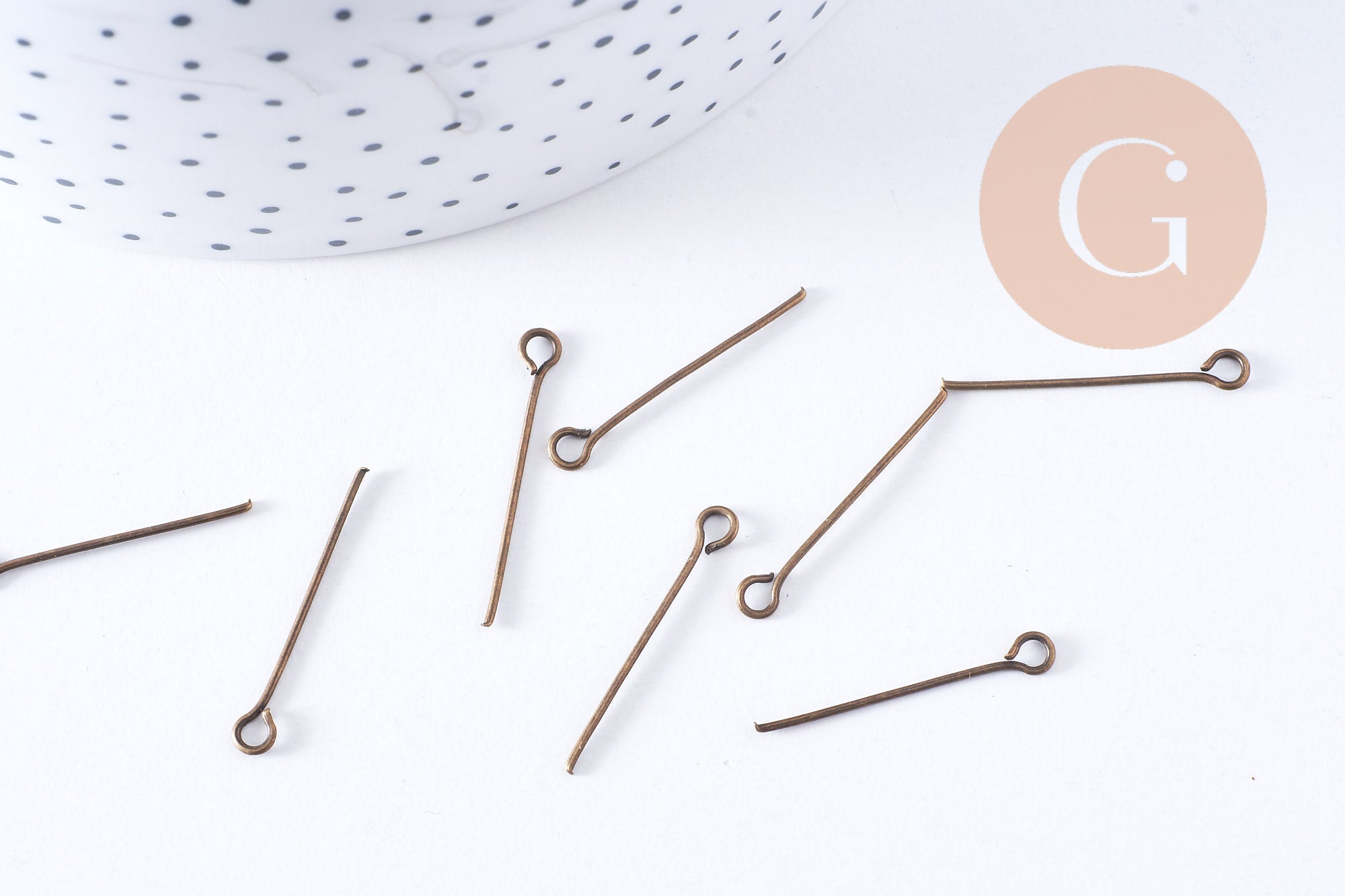
Clou tige tête boucle fer bronze 24mm, x10Gr (G10660) Clou tige tête boucle fer bronze 24mm, x10Gr (G10660)
Basic
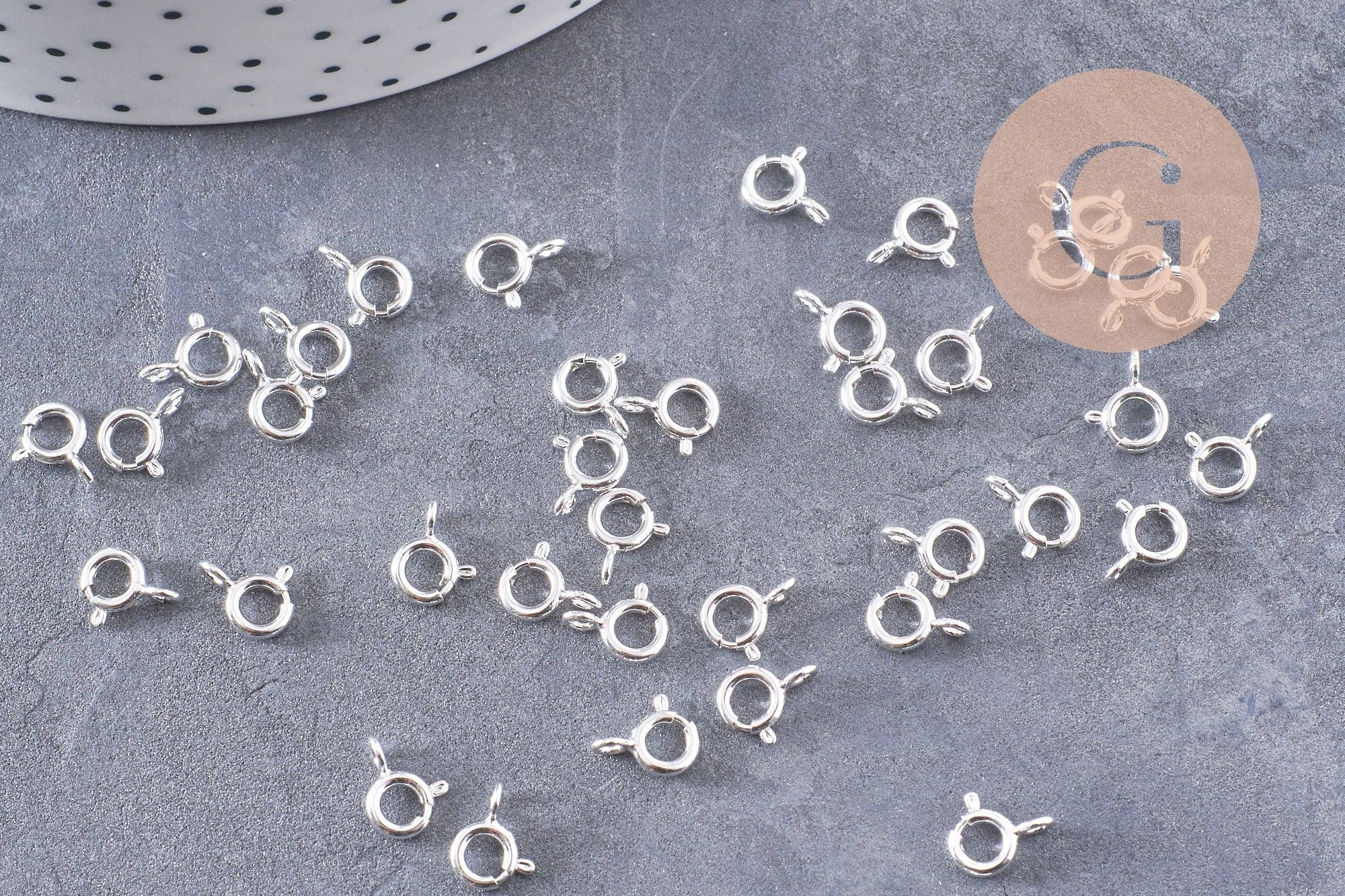
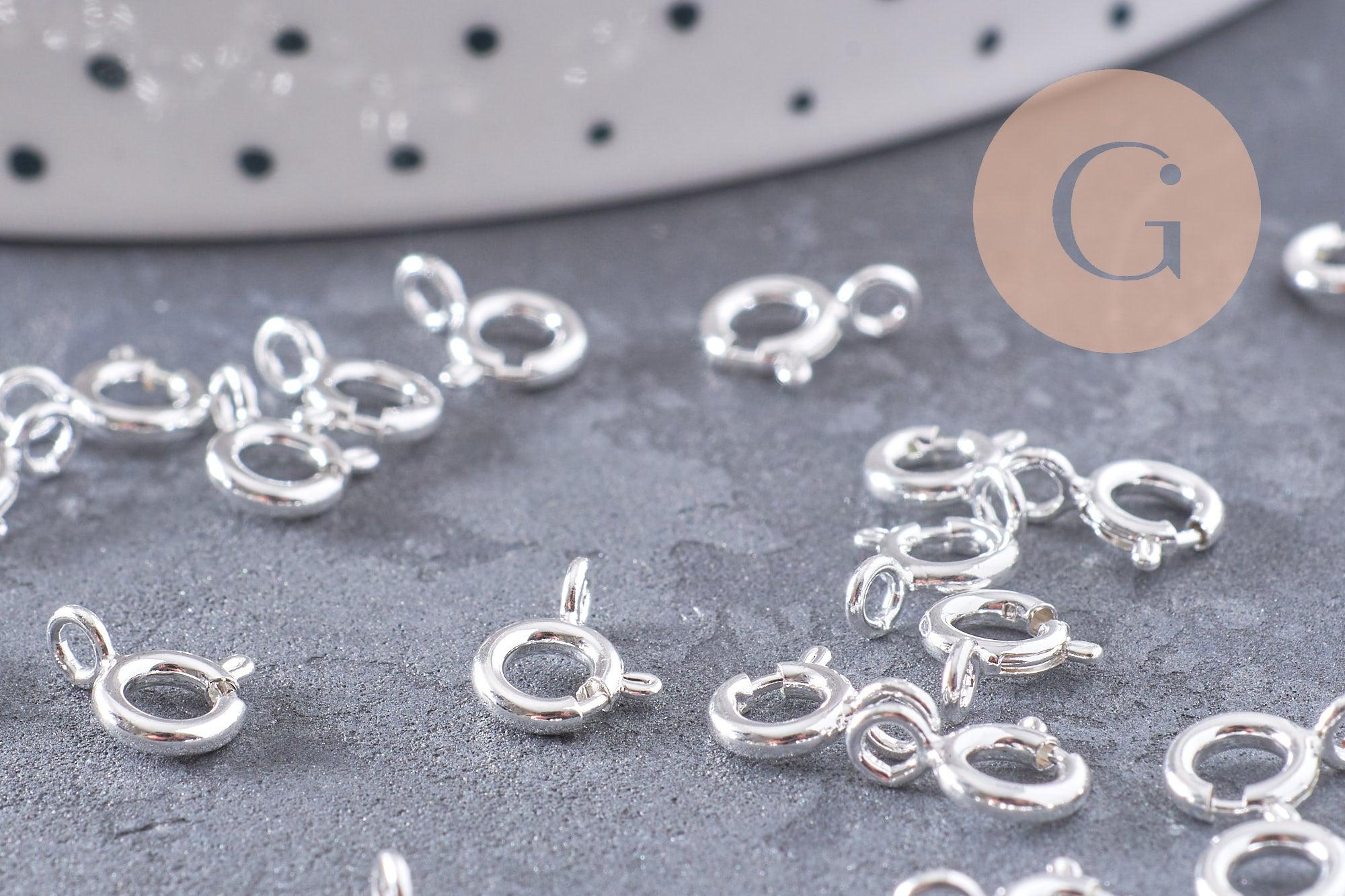
Fermoirs Marins laiton plaqué argent 925 8mm, x10 (G10241) Fermoirs Marins laiton plaqué argent 925 8mm, x10 (G10241)
Basic

Learn how to create charms and connectors like a professional designer

Forming a loop on a headpin is one of the fundamental techniques in creative jewelry making. It allows you to easily transform a bead or decorative element into a charm, dangle, or connector ready to be integrated into a bracelet, necklace, or pair of earrings.

This method can be used with both headpins and eyepins. A single loop can be used to hang a bead, while a double loop allows you to create a connector linking several elements together.

Thanks to this technique, it becomes possible to create an infinite number of combinations with natural stones, glass beads, freshwater pearls, pendants, or decorative findings. It is also one of the first manipulations taught to beginners in DIY jewelry making.

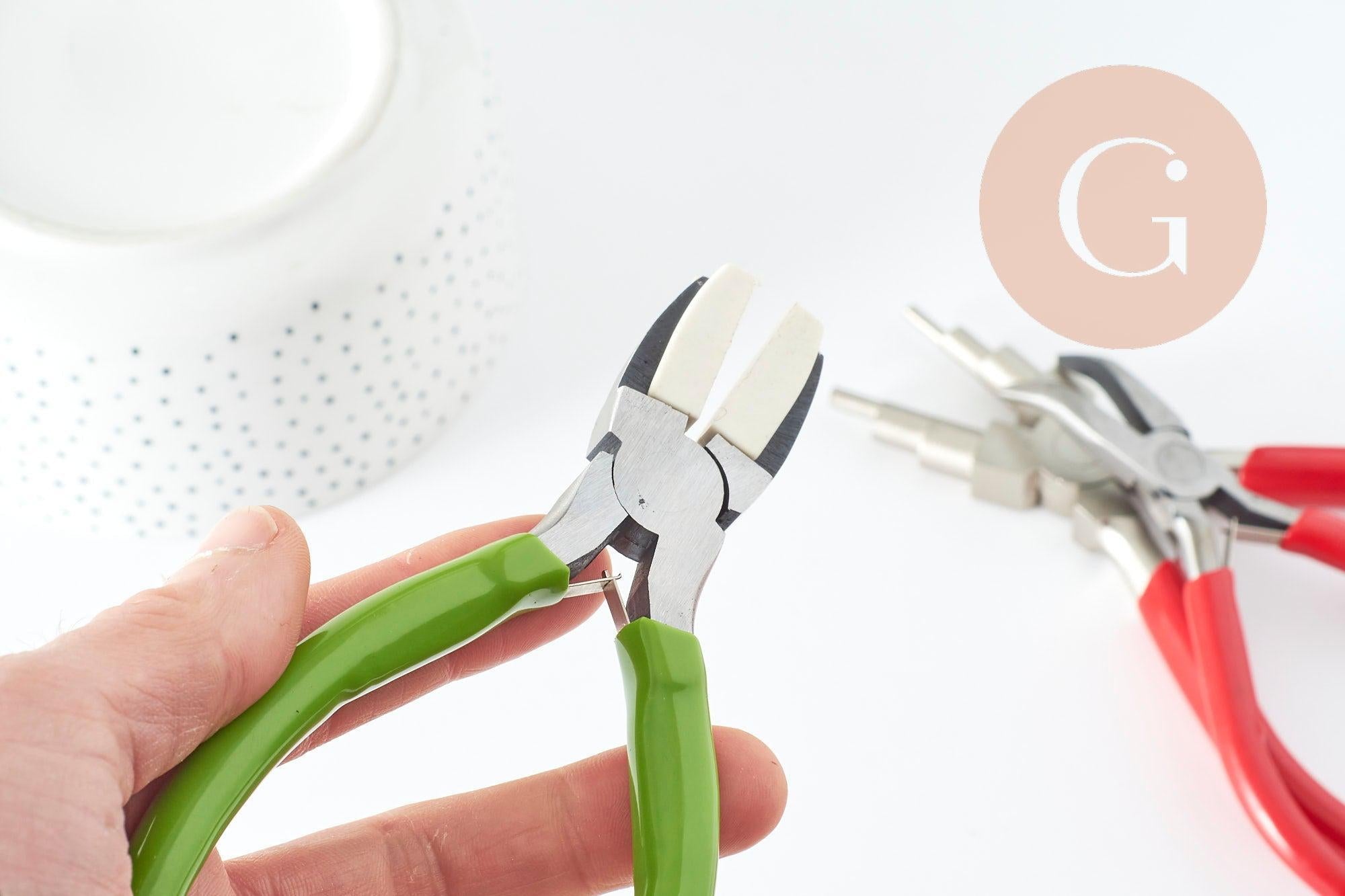
With a few basic tools such as round nose pliers, flat nose pliers, and cutting pliers, you can quickly achieve regular and strong loops that will significantly improve the quality of your creations.

Once this technique is mastered, you will be able to create your own dangles, connect several beads together, or design more elaborate assemblies for entirely personalized jewelry.

To complete your learning, discover our jewelry headpins and eye pins, our jewelry pliers, our natural stone beadsas well as our DIY jewelry findings.

FAQs

Which rod should I use to create a charm or a tassel?


Headpins are ideal for creating simple charms from beads. Eye pins, on the other hand, allow you to create connectors linking several elements together in the same assembly.

To form a regular loop, place the pin in the round nose of the pliers at the same level each time, then wrap the metal without crushing it. The important thing is to maintain constant tension and cut off the excess pin before neatly closing the loop.

What is the difference between a simple loop and a coiled loop?

The simple loop is quick and suitable for light assemblies such as charms or small beads. The wrapped loop is more secure: it is recommended for jewelry that will be handled more, heavy pendants, or creations that you want to make sturdier.

What materials are needed to make a loop in DIY jewelry?

Round-nose pliers are essential for forming the loop. Flat-nose pliers help hold and adjust the assembly, while cutting pliers allow you to cleanly shorten the rod before finishing.

Add Order Note
Code de réduction